2026 Bengal Polls: Shocking Silence Now!
May 01, 2026 - By Ashutosh Roy Current AffairsElection AnalysisPoliticsRegional UpdatesWest Bengal Politics
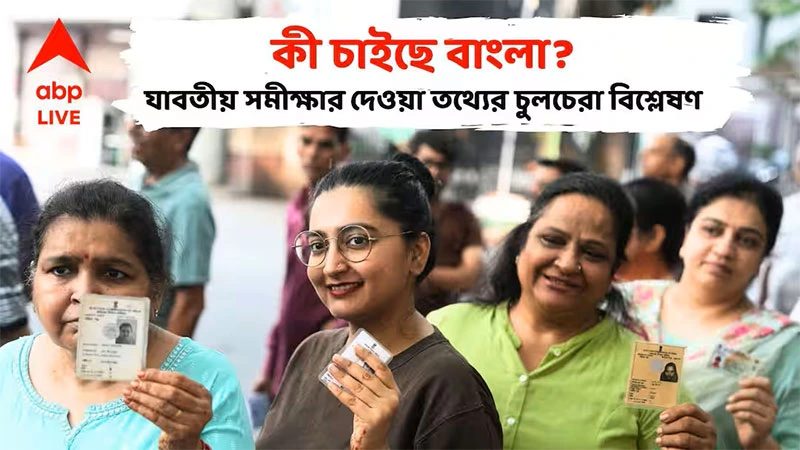
Why Such a Pin-Drop Silence After 2026 Bengal Polls?
The 2026 Bengal Polls have delivered an unexpected twist. While exit polls predict a tight contest, the ground reality tells a completely different story. Surprisingly, silence dominates the political atmosphere. No loud celebrations. Nevertheless, No heated debates. Moreover, No aggressive street-level discussions.
What is more, From Bengal’s signature tea stall chatter to political storm – everything is on pause mode this year.
Instead, voters, party workers, and even political observers appear calm, almost unusually calm. But the Voter Turnout has been amazing.
So, what is really happening in Bengal right now? Let us try to illustrate.
Is not It A Rare Calm After a High-Stakes Election?
West Bengal elections are traditionally intense. Political clashes, heated rhetoric, and emotional voter engagement usually define the electoral landscape of the state. However, 2026 Bengal Polls seems different.
This time, after the final phase of polling:
- Streets look normal
- Furthermore, Political offices remain quiet
- Equally important is that Social media engagement has slowed
- Public discussions have reduced significantly
This calm is not just unusual, rather it is shocking.
Exit Polls Predict a Tight Contest
In addition, most exit polls suggest a neck-and-neck fight. Conversely, no clear winner has emerged from early projections. Nonetheless, such uncertainty should trigger anxiety, debates, and speculation.
However, that has not happened.
What Are The Key Observations from Exit Poll Trends?
| Factor | Observation |
|---|---|
| Seat Predictions | Very close margins |
| Voter Turnout | Highest Ever in Bengal Elections |
| Regional Variations | Mixed signals across districts |
| Swing Indicators | Uncertain and inconsistent |
Because of this uncertainty in 2026 Bengal Polls, one would expect intense political chatter. Undoubtedly, silence continues.
Why Is Bengal So Quiet?
In fact, several factors explain this unusual calm. Consequently, let us explore them one by one.
1. Can Voter Fatigue Be a Reason?
First of all, voters seem exhausted. The hazardous Special Intensive Revision of Voter Lists, political campaigns, and high-voltage rhetoric over the months have indeed taken a toll.
As a result:
- People prefer to wait rather than speculate
- In fact, emotional engagement has reduced
- Significantly, political discussions feel repetitive
2. Is Fear of Post-Poll Violence Keeping Bengal Silent?
Historically, post-election violence has been a concern in West Bengal. Therefore, many supporters choose to remain silent as a precaution.
This leads to:
- Limited public celebrations
- Reduced political gatherings
- Controlled social media expression
- Unwillingness even to participate loudly in exit polls
Hence, people are simply avoiding unnecessary attention.
3. Is the Uncertainty looming?
When results appear unpredictable, people hesitate to take strong positions. Hence, No one wants to celebrate too early or react prematurely.
So instead:
- Supporters stay low-key
- Leaders avoid bold claims
- Analysts remain cautious
As a result, this creates a neutral and silent environment.
4. Are These Strategic Silence by Political Parties?
Interestingly, political parties may also be contributing to this calm. Instead of aggressive posturing, they appear to be waiting for official results.
Possible reasons include:
- Certainly, Avoiding controversy
- Preventing escalation of tensions
- Moreover, Maintaining public order
To sum up, this calculated silence plays a major role.
Do The Strict Election Commission & Central Forces Create a Fear?
One of the biggest reasons behind this peaceful atmosphere is the proactive role played by the Election Commission of India.
The Commission has taken strict and structured measures not only during polling but also in the crucial post-poll period to avoid the historic post-poll violence.
Key Measures That Made a Difference:
- Heavy deployment of central forces across sensitive zones
- Additionally, Area domination patrols after polling ended
- In particular, Deployment of Central forces for Strong Rooms Protection
- Furthermore, Strict monitoring of vulnerable districts
- Quick response teams to handle any unrest
- Moreover, Continuous coordination with state administration
Importantly, central forces also remain deployed even in the post-poll phase, which has helped prevent escalation.
Security Deployment Snapshot
| Security Aspect | 2026 Approach |
|---|---|
| Central Forces Presence | Extensive & strategic |
| Post-Poll Deployment | Continued and active |
| Sensitive Areas | High surveillance |
| Rapid Action Force | Immediate response teams |
| Law & Order Focus | Preventive, not reactive |
To summarize, this strong security framework has reassured citizens and discouraged potential violence.
Ground Reality: What Are People Saying?
Although public discussions are limited, subtle sentiments still exist. Conversations have moved from public spaces to private circles.
What Are The Common Public Reactions?
- Let us wait for the results.
- This election is too close to predict.
- No one knows what will happen.
- Better to stay quiet for now.
Clearly, uncertainty has replaced excitement.
Social Media: Why Is Surprisingly Subdued?
In previous elections, social media platforms were flooded with opinions, debates, and propaganda. However, 2026 tells a different story.
Current Social Media Trends:
- Lower engagement levels
- Fewer political arguments
- Limited viral content
- More neutral or observational posts
Even digital platforms reflect the same silence seen on the ground.
How Can It Be Compared with Previous Elections?
To understand how unusual this is, let us compare with past election behavior.
| Election Year | Post-Poll Atmosphere | Public Behavior |
|---|---|---|
| 2018 | Highly tense | Active discussions |
| 2019 | Politically charged | Strong reactions |
| 2021 | Aggressive and polarized | High engagement |
| 2026 | Calm and silent | Minimal discussion |
Clearly, 2026 stands out.
Is This Silence Temporary?
Now, the big question arises: Will this calm last?
Most likely, no.
As counting day approaches, tension may rise. Once results are declared:
- Celebrations could begin
- Political reactions will intensify
- Media coverage will surge
- Public engagement will return
In short, this silence may just be the calm before a storm.
What Are The Possible Scenarios After Results?
Depending on the outcome, different situations may unfold.
If There Is a Clear Winner:
- Quick celebrations
- Strong political messaging
- Reduced uncertainty
If Results Are Close:
- Disputes and debates
- Increased political tension
- Heightened media attention
If Results Are Contested:
- Legal challenges
- Political unrest
- Public demonstrations
Therefore, the current calm might not last long.
What This Silence Really Means
This silence is not just absence of noise. It reflects deeper changes in voter behavior and political dynamics.
Key Highlights:
- Voters are becoming more cautious
- Above all, political awareness is evolving
- Public reactions are more controlled
- Security presence builds confidence
- Significantly, Preventive governance is working
In many ways, this silence is a sign of maturity, but also of tension.
Final Thoughts of Knowledge Mart
The 2026 Bengal Polls have created a unique moment in political history. Despite a high-stakes contest and uncertain outcomes, the state remains unusually quiet.
A significant share of credit goes to the Election Commission and the sustained deployment of central forces, even in the post-poll period, for maintaining law and order and building public confidence.
People are watching. Waiting. Observing.
No one wants to jump to conclusions. No one wants to trigger reactions.
For now, silence speaks louder than words.
However, as results day approaches, this quiet phase may end quickly. Whether it leads to celebration or conflict remains to be seen.
Until 4th May, Bengal waits, remains calm, cautious, and completely silent.
10 Key Takeaways:
- Bengal witnesses shocking silence after 2026 Bengal polls
- Specifically, Exit polls predict a tight and uncertain contest
- Voters prefer to wait rather than react
- Fear of Post-Poll violence drives cautious public behavior
- Election Commission of India ensures strict monitoring
- Massive central forces deployment boosts overall confidence
- For instance, Security continues even in the post-poll phase
- Consequently, Political parties maintain strategic silence
- As a result, Social media remains unusually calm and controlled
- Silence may break sharply after results are declared
People Also Ask (FAQs)
1. Why is there silence after the 2026 Bengal polls?
The silence is mainly due to uncertainty from close exit polls, fear of post-poll violence, and a cautious approach by voters and political parties.
2. What do exit polls suggest about the 2026 Bengal elections?
Exit polls indicate a tight contest with no clear winner, which has increased suspense and reduced premature reactions.
3. How has the Election Commission managed the 2026 Bengal polls?
The Election Commission of India ensured strict monitoring, deployed observers, and maintained law and order with heavy central force presence.
4. Are central forces still deployed after the polls?
Yes, central forces remain actively deployed even in the post-poll phase to prevent violence, secure strong rooms, and maintain peace.
5. Will the silence continue after the results?
Most likely not. Once results are announced, political reactions, celebrations, or tensions may rise, breaking the current calm.