Knowledge Mart looks beyond the headlines. We examine social, political, and health issues with a critical eye, question the accepted narrative, and present perspectives that often get overlooked. No packaged opinions - just analysis, arguments, facts, and questions that deserve attention.
Read Knowledge Mart on the web or download the Knowledge Mart app from the Google Play Store for mobile access.
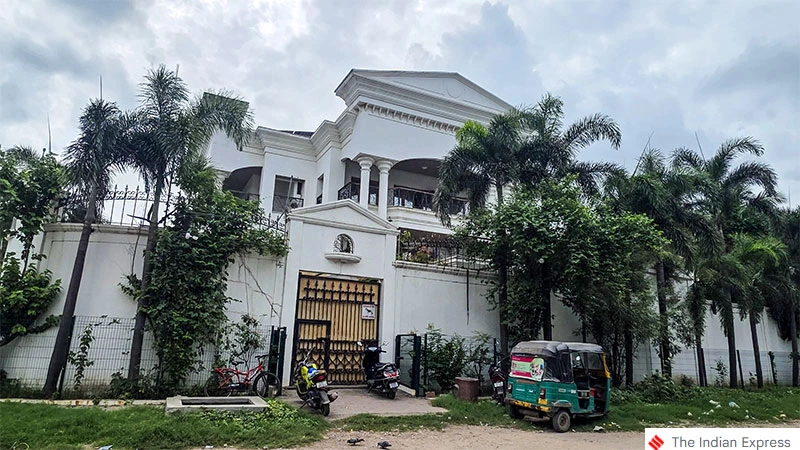
Yusuf Pathan Land Allotment: BJP’s Big Gift?
What the Public Should Demand
The debate should not become a contest between people who like Pathan and people who dislike him. Nor should his achievements as a cricketer be used to shut down questions about public property. The real issues are transparency, equal treatment and accountability.
- Publish the full basis of the decision: Explain the legal provisions and policy criteria used to justify the allotment, including the proposed gift of 500 square metres.
- Clarify the financial implications: Make the valuation, the concessional price for the remaining land, and the replacement-land arrangement available for public scrutiny.
- Explain the exceptional treatment: State what criteria Pathan met and whether other international sportspersons can apply under the same policy.
- Address the alleged encroachment: Clarify how the earlier dispute and any liability for occupation of the plot will be handled. The allegations should be dealt with through due process, not ignored or presumed proven.
- Complete the civic process transparently: The Standing Committee has approved the proposal, but General Board ratification remains pending. The next decision should be recorded and explained openly.
Oct 27, 2026 - By Ashutosh Roy PoliticsElection AnalysisNational NewsNational PoliticsRegional UpdatesWest Bengal Politics
CEC Gyanesh Kumar: Students Rage & SC Fired
CEC Gyanesh Kumar faces a massive twin blow in one day as Supreme Court heat mounts and furious student protests erupt nationwide. Get the full breakdown.
Oct 06, 2026 - By Ashutosh Roy PoliticsEducationNational NewsSociety

Political Analysis: Expose Dirty TV Politics
Stop letting noisy news studios fool you. Get real, hype-free political analysis that exposes dirty TV media tactics and biased agendas. Read now!
Oct 05, 2026 - By Ashutosh Roy PoliticsElection AnalysisNational PoliticsWest Bengal Politics
Bengal Healthcare Crisis: Chorbagan Exposed
Oct 25, 2026 - By Ashutosh Roy HealthGovernancePoliticsPublic HealthRegional UpdatesWest Bengal Politics
Foreign Conspiracy Against India: The Truth
Oct 24, 2026 - By Ashutosh Roy PoliticsInternational BriefsNational NewsNational Politics
Peace Bond Violation: Ashutosh, Saurav Free
Oct 23, 2026 - By Ashutosh Roy Current AffairsNational NewsNational PoliticsPolitics