2026 Bengal Election: Warning for People
Jan 31, 2026 - By Ashutosh Roy Election AnalysisGovernance & AdminPoliticsSocial IssuesWest Bengal Politics
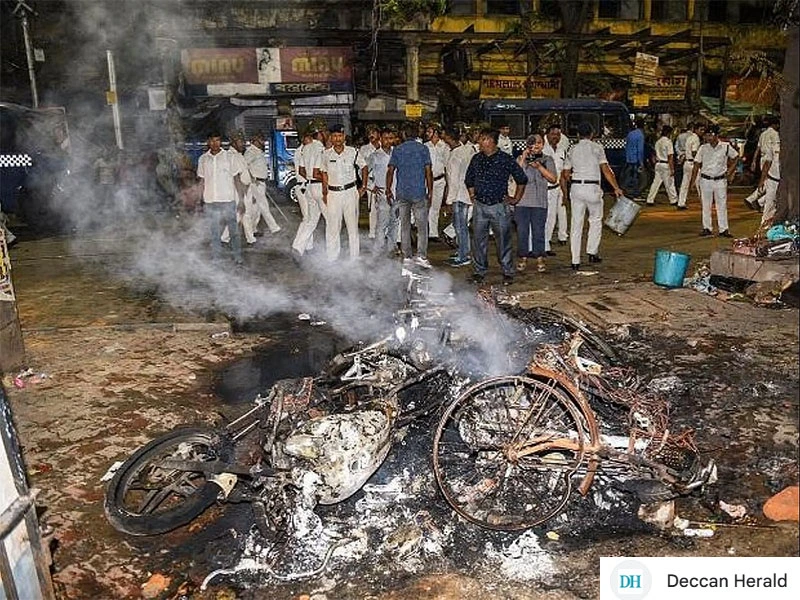
Key Highlights
- Authoritarian rule may last briefly, but history shows inevitable collapse. Will 2026 Bengal election repeat?
- The 2026 Bengal election could signal a silent public uprising.
- Bengal’s long patience often ends in sudden political change.
- Partisan policing is eroding the rule of law.
- Beneficiary politics is replacing real development.
- Allowance expansion is straining the state’s finances.
- Industrial exit reflects deep economic distress.
- The RG Kar movement revealed hidden public anger.
- Protests raised awareness but delivered no direct change.
- Fear and inducement heavily shape voting behavior.
- Concerns remain over SIR and voter list integrity.
- Booth-level control questions persist.
- Central forces may decide polling fairness.
- The Election Commission’s neutrality is decisive.
- 2026 may bring either crisis or correction.
Will 2026 Bengal Election Trigger a Silent Uprising?
Authoritarian rule may work as a weapon for a ruler for a short time. However, it can never be a permanent system. The big question is this: Will the 2026 Bengal election reflect a silent public protest against yet another authoritarian regime?
History has seen Napoleon Bonaparte, Genghis Khan, Adolf Hitler, Joseph Stalin, and Queen Elizabeth I. It has also recorded how each of their stories ended.
More recently, Bengalis closely witnessed the fate of Sheikh Hasina.
After all, Bangladesh and West Bengal are like siblings born of the same mother.
Why Bengalis Stay Silent—for a Long Time
In reality, Bengalis are tolerant. They do not rush into chaos or instability. Yet, these same people once led the freedom movement and the Naxalite uprising.
Still, today’s Bengali shows far greater patience. That is why West Bengal does not turn into another Bangladesh or Nepal overnight. That is also why even a “No Kings” type movement does not emerge easily.
When the Wall Hits the Back : Is it 2026 Bengal Election?
However, when oppression pushes people against the wall, they finally react. Calling Bengalis “lazy” is an old accusation. As Bengalis are proud to be addressed as intellectual class, they don’t mind such insignificant allegations. Yet, these very people ended a nearly 34-year-long, rock-solid Left regime.
At that time, a slogan became popular: “Chupchap phule chhap” (Vote quietly). The message was crystal clear. Change must come through a silent revolution. Otherwise, one risks the wrath of the ruler’s loyalists.
When rulers become intoxicated with oppression, party cadres alone are not enough. They need a blind and deaf police force and administration. Such institutions listen only to the ruler and speak only their language.
Unfortunately, in today’s West Bengal, a large section of the police and bureaucracy is walking down that path.
So the question remains: Will the West Bengal election 2026 end this illegal nexus?
When Rule of Law Disappears
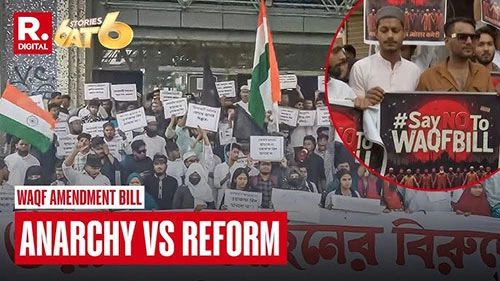
When a ruler puts justice aside and instructs the administration to act, or remain inactive or based on party color or community identity, the rule of law collapses. As a result, a new class emerges. They become hyper-active and start acting as the law themselves.
In different areas, they take different names. May it be Monirul Islam. It may be Shahjahan also. Sometimes it is Jahangir.
So again, the question arises: Can the 2026 Bengal election restore the rule of law in this unfortunate state?
Failure in Development, Success in Patronage
When rulers fail in development but still cling to power, they create beneficiary groups. Sometimes leaders openly describe this as the 75–25 formula. Sometimes even top administrators use terms like milky cow.
These beneficiaries often get their share through the police and administration. A class of lumpens receives protection in exchange for small favors. They earn profits all year round, in simple terms, they collect extortion freely.
They receive open licenses. Their only job is to “manage” votes on polling day. In a democracy, numbers matter most.
Whether it is Lok Sabha, Assembly, Panchayat, or Zilla Parishad, it is the vote count that decide power. Once power is secured, helicopters, luxury cars, and unchecked privileges follow.
So the question is unavoidable: Will the 2026 Bengal election put an end to this one-eyed deer syndrome?
Expanding the Beneficiary Base even in 2026 Bengal Election
There is also a strange effort to increase the number of beneficiaries. Jobs are missing. Industrial investment has nearly stopped. Instead of long-term development, allowances keep rising.
If infrastructure improved, people’s lives would improve naturally. Infrastructure is essential for creating an industry-friendly environment. Sadly, West Bengal is so closed that an estimated 6,000–7,000 businesses have left the state in recent years.
Infrastructure development takes time. It is a long-term project with long-term results. But rulers know that development stories do not win quick votes.
So they ensure freebies from birth to death. This puts enormous pressure on the state treasury. Debt is rising at rocket speed.
Still, votes matter most. From Imam allowances to priest allowances. From Lakshmir Bhandar to old-age pensions. The idea is simple: turn citizens into beneficiaries. If poor people receive money directly in their bank accounts every month without working, what could go wrong?
That is why women voters have become the Chief Minister’s strongest support base.
But the question remains: Will the Bengal election 2026 shift people from dependency to productivity?
Is Bengal Really Silent?
Are Bengalis truly silent? When the state turns vengeful, individuals fear stepping forward alone. When even journalists face harassment, ordinary people are forced to suffer quietly.
However, when people see collective protest, they hesitate no longer. The RG Kar movement began as a protest against a horrific rape and murder. But the massive public eruption that followed was not just about RG Kar.
It felt like frustrated citizens finally found a platform. True, the movement produced no tangible results. Yet, it gave ordinary people the courage to look the ruler in the eye.
So one final question emerges: Will the 2026 Bengal election become a symbol of public hope?
Why Rulers Still Win After Protests
A simple question often arises. If RG Kar became a massive protest platform, how did the ruling party still win subsequent elections so decisively?
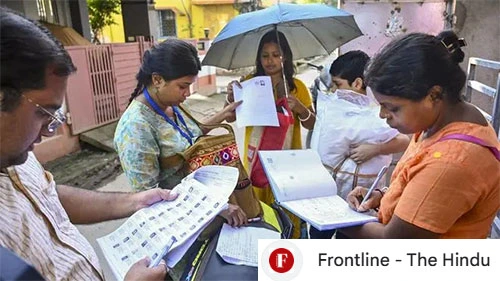
The answer lies in the complex math of voting. Psephologists may explain it better, but some key factors stand out:
- Do people truly want change, especially in rural Bengal?
- How do voters perceive extreme political polarization?
- Despite anger, is there a trusted alternative?
- How are voters tempted or intimidated before elections?
- What signals do opinion polls send, especially fear of post-poll retaliation?
- On polling day, how many voters can cast their own votes freely?
- Is the ongoing SIR process truly removing illegal voters?
- What kind of booth capturing occurs on election day?
- Is live streaming functional in the booths, or are EVM machines sealed with tape?
- How effective is the deployment of central forces?
Ultimately, the path of the 2026 Bengal election will depend on one final factor: How active, independent, and neutral the Election Commission and its observers truly remain.
The voters of West Bengal are calm, patient, and hopeful.
People Also Ask (PAA)
When will the 2026 West Bengal Assembly election be held?
The 2026 West Bengal Legislative Assembly election is expected to take place around April–May 2026 to elect all 294 members of the state assembly, as the current term ends in May 2026.
Which parties are the main contenders in the 2026 Bengal election?
The principal political contenders include the Trinamool Congress (TMC), Bharatiya Janata Party (BJP), Indian National Congress, and the Left Front, with regional alliances and smaller parties also influencing outcomes.
What are the biggest issues likely to influence Bengal voters in 2026?
Key issues include economic concerns, welfare schemes, employment, identity politics, voter-roll controversies, and governance performance, all of which are shaping campaign narratives before the polls.
How important is the SIR voter list controversy in the election debate?
The Special Intensive Revision (SIR) of electoral rolls has triggered political tensions due to large-scale voter deletions and allegations of unfair practices, making it a major election issue.
Is anti-incumbency a factor in the 2026 Bengal election?
Early opinion trends suggest voter dissatisfaction at local leadership levels, though overall political leadership popularity may still influence final outcomes.
How are welfare schemes affecting election strategies in West Bengal?
New welfare initiatives targeting youth, communities, and employment relief are being viewed as pre-election mobilisation efforts aimed at shaping voter sentiment.
Could alliance changes impact the election results?
Yes. Strategic decisions such as parties contesting independently or forming new alliances can alter vote distribution and influence the final seat tally.
Why is the 2026 Bengal election important for national politics?
West Bengal is a politically significant state, and its election outcome may affect national party momentum, coalition strategies, and future electoral narratives across India.
[…]2026 Bengal Election: Warning for People From crisis to verdict, the 2026 Bengal election tests democracy. Will voters choose fear or ignite a silent uprising at the ballot box? A verdict on democracy?[…]
[…]2026 Bengal Election: Warning for People From crisis to verdict, the 2026 Bengal election tests democracy. Will voters choose fear or ignite a silent uprising at the ballot box? A verdict on democracy?[…]