How to raise Muslims in West Bengal quickly
Oct 21, 2025 - By Ashutosh Roy Governance & AdminSocial IssuesSocietyWest Bengal Politics
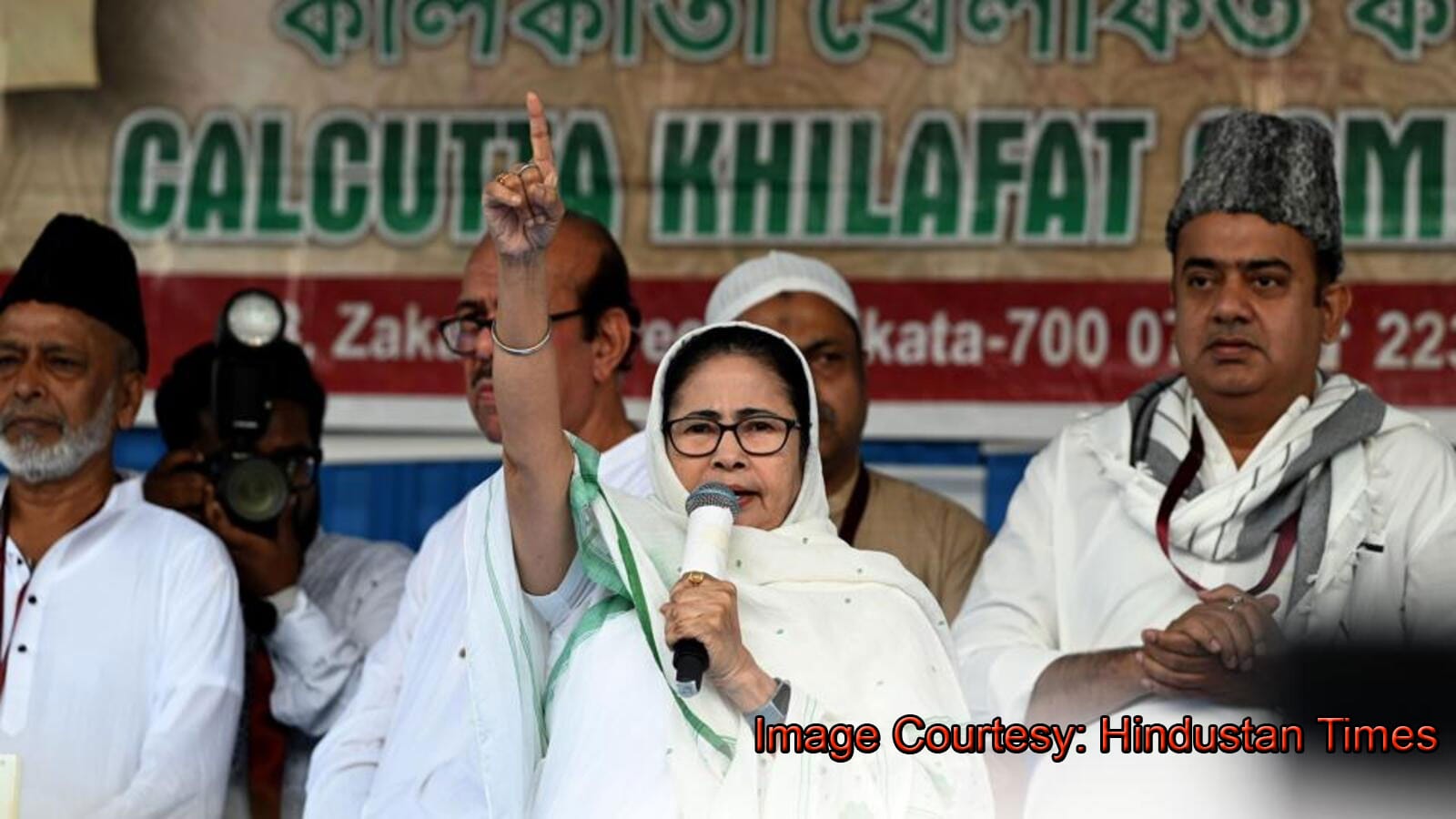
Appalling condition of Muslims in West Bengal
When the reporters asked Buddhadeb Bhattacharya regarding the findings and recommendations of Sachar Committee, he couldn’t believe it. Subsequently, the report was brought to public on November 30, 2006. The appalling condition of Muslims in West Bengal was exposed for the first time.
Additionally, the Pratichi Trust, along with the organizations SNAP and Guidance Guild published Living Reality of Muslims in West Bengal on February 14, 2016. Thus, the condition of Muslims in West Bengal has remained appalling. Moreover there have been changes in the Government and appeasing policies of Mamata Banerjee are on place.

Image Courtesy: The Hindu
Poverty and a lack of educational or religious reforms persists acutely among rural Bengali Muslims irrespective of changes in regime.
Sachar Committee & Pratichi Trust
However, the Sachar Committee report revealed a stark reality. In addition, on many indicators, the Muslim community lagged behind other socio-religious groups. In some areas, their condition was comparable to or even worse than certain Scheduled Castes and Scheduled Tribes. Hence, the Amartya Sen’s Pratichi Trust study signaled a pathetic figure.
Also, the shocking report revealed that 80% of rural Muslim households in West Bengal had a monthly income of Rs 5,000 or less. It also reflected that literacy rate among Muslim in the state is barely 69.5%. Buddhadeb Bhattacharya didn’t get enough time to work for the Muslims of West Bengal, but Mamata Banerjee has had that opportunity.
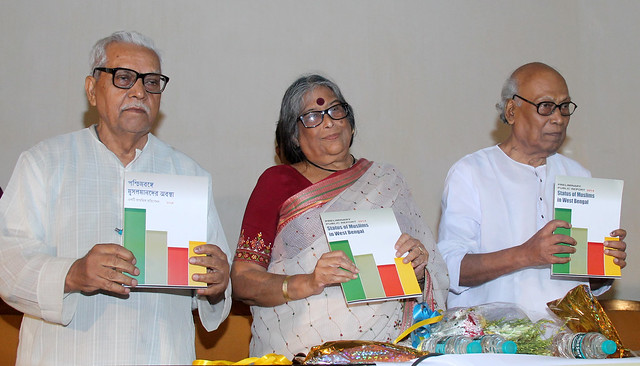
Image Courtesy: TwoCircles.net
Consequently, Buddhadeb Bhattacharya grew desperate for a quick solution after the Sachar Committee report. In a knee-jark reaction, he amended the OBC Bill also. Furthermore, he added a large number of Muslim communities to the list.
Mamata Banerjee, after taking over has further added in the reserved quota. Significantly, the High court denied the entire list and now it has become sub judiciary under the Supreme Court.
Appeasement of Muslims in West Bengal
Siddiqullah Chowdhury may threat to “shut down” Kolkata as part of protests against the central government’s Waqf (Amendment) Act. Firhad Hakim may find solace by referring a part of his constituency in Kolkata as “mini Pakistan”.
Even Firhad Hakim might believe that those not born into Islam are “unfortunate” and have “misfortune” to boost his voters. The fact of life remains that Muslim Community in West Bengal are significantly backward.
Can one imagine that only 1.55% of households become a school teacher and 1.54% works in regular public sector jobs?
Study report reveals that only 0.4% of surveyed Muslims could access “socially preferred professions” such as medicine, law, or engineering. Even when dearth of employment forces them to be immigrant of other states, they can get the job mainly like Rag-picking and scrap selling.
Mamata Banerjee might have launched banglar awas yojana, but 59.1% of Muslim houses were made of low-quality materials like mud and straw.
Vote Bank Politics with Muslims in West Bengal
The Appeasement policies may protect or promote Zahangeer, Shahjahan, or JCB. They can sail through election after election using muscle and money power. But these policies hardly improve the socio-economic conditions of the Muslim community.
The disastrous state of the Muslims becomes evident, if anyone visits Muslim dominated villages. Their poor standard of living and unhygienic environment, are really pathetic. The Pratichi Trust report has reflected the truth – nothing more and nothing less.
That’s why Mamata Banerjee has to constantly hike the monthly allowances of imams, muezzins so that they can brainwash their followers. This will only lead to a shortage of funds in the state exchequer, forcing the Government to take even more loans.
The have started showing resilience to such Government tendencies, but the magnitude is still very low. Some educated urban Muslims have reportedly shifted their support towards other parties, frustrated with the lack of progress. If this amplifies, it will be difficult for Mamata Banerjee to win elections based on the Muslim consolidated votes.
Deprivation: A call for action
Mamata Banerjee may beat the drums of Muslim development, but the reality is brutally harsh. The persistent deprivation in education, livelihood, income, and amenities for Muslims in the state has reached the threshold levels. It reinstates the necessity for the Government to call for an action.
Whether it is Buddhadeb Bhattacharya or Mamata Banerjee, perhaps, we need to reverberate the poem of Sunil Gangopadhyay, “Keu Kotha Rakhe ni”.
[…]How to raise Muslims in West Bengal quickly Powerful overview of rising questions around welfare of Muslims in West Bengal while exploring reservation concerns, community hardships, and social trends.[…]
[…]How to raise Muslims in West Bengal quickly Powerful overview of rising questions around welfare of Muslims in West Bengal while exploring reservation concerns, community hardships, and social trends.[…]
[…]How to raise Muslims in West Bengal quickly Powerful overview of rising questions around welfare of Muslims in West Bengal while exploring reservation concerns, community hardships, and social trends.[…]
[…]How to raise Muslims in West Bengal quickly Powerful overview of rising questions around welfare of Muslims in West Bengal while exploring reservation concerns, community hardships, and social trends.[…]