ECI Cracks Down: Stunning WB Shakeup
Mar 19, 2026 - By Ashutosh Roy Current AffairsElection AnalysisGovernance & AdminPoliticsRegional UpdatesWest Bengal Politics
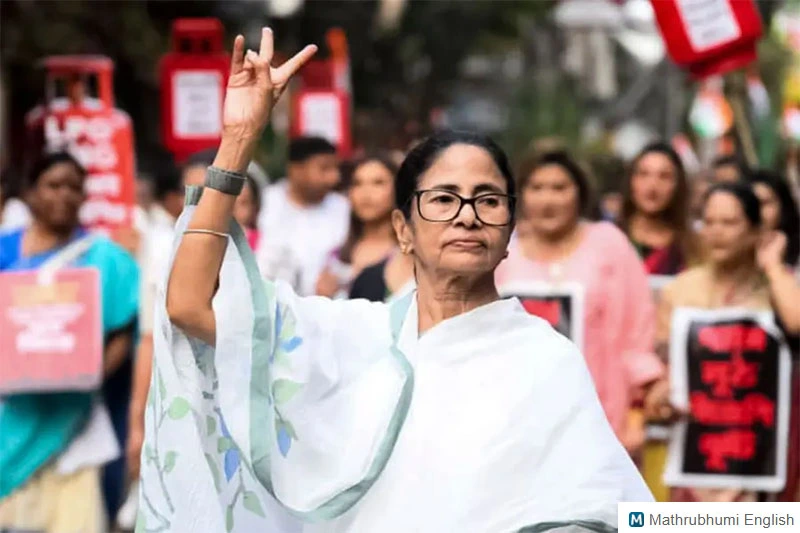
Immediate Administrative Reshuffle after Poll Announcement
The Election Commission of India (ECI) has just announced the election schedule on 15 March 2026. As a result, the Model Code of Conduct is now active in West Bengal. The stunning WB Shakeup has come up like a whirlwind from 16 March.
Therefore, political and administrative activities have started changing rapidly across the state. We can watch almost a blistering batting of the ECI.
Whom did ECI Change After the Poll Announcement in West Bengal?
Soon after the announcement, a surprising high-level administrative reshuffle began in West Bengal.
In the last three days, several top officials have faced transfers or removals before the West Bengal Assembly Election 2026 These include:
- Chief Secretary
- Home Secretary
- Director General of Police (DGP)
- Police Commissioners
- District Magistrates
- District Election Officers (DEO)
Moreover, The Election Commission of India has removed the Kolkata Municipal Commissioner. Similarly, they have transferred the DEO of South Kolkata.
EC vs. Bengal: Why the ECI is Purging Top Officials in 2026?
In addition, the Election Commission has issued guidelines to shift DIG-rank officers. This decision has created what many observers call a “stunning West Bengal administrative shake-up.”
As a result:
- ECI has replaced Most top-level officials before Bengal Elections 2026
- New senior bureaucrats and police officers will now oversee the election process
- The administrative control structure has changed significantly
Key Administrative & Police Transfers (March 2026)
| Department / Role | Outgoing Officer | New Appointee (ECI Choice) |
| Chief Secretary | Nandini Chakravorty | Dushyant Nariala (IAS 1993) |
| Home Secretary | Jagdish Prasad Meena | Sanghamitra Ghosh (IAS 1997) |
| Director General of Police (DGP) | Peeyush Pandey | Siddh Nath Gupta (IPS 1992 – In-charge) |
| Commissioner of Kolkata Police | Supratim Sarkar | Ajay Kumar Nand (IPS 1996) |
| ADG (Law & Order) | Vineet Kumar Goyal | Ajay Mukund Ranade (IPS 1995) |
| DG, Correctional Services | (Previously vacant/Acting) | Natarajan Ramesh Babu (IPS 1991) |
The list is getting changed almost every hour. So, keep a close watch on the Latest News and TV Channels
Will More Transfers Happen at Lower Administrative Levels?
Meanwhile, experts believe that further reshuffles may happen at lower levels soon. This is because election rules often require neutral administration across districts and local bodies.
Therefore, more officials could face transfers in the coming days.
What Did Mamata Banerjee Say About These Reshuffle?
On the other hand, Chief Minister Mamata Banerjee described the situation as a “midnight secret crackdown“.
Her remark indicates rising political tension ahead of the upcoming West Bengal elections.
The Long-Standing Feud Between the ECI and Mamata Banerjee
The conflict between the Election Commission of India (ECI) and Mamata Banerjee is an old one. It began well before the Special Intensive Revision (SIR) even started. Since then, the situation has escalated through several stages:
- Open Opposition: Mamata Banerjee strongly opposed the SIR from the start. She even vowed to block the process entirely within West Bengal.
- Administrative Blockades: Following her threats, she stopped cooperating at an administrative level. Specifically, she refused to provide the necessary staff and funding.
- Legal Battles: The dispute moved to the courts, resulting in numerous lawsuits filed against the ECI and the SIR process in the Supreme Court.
- Public Attacks: Additionally, the Chief Minister and the TMC party repeatedly insulted the ECI in public. This rhetoric fueled public anger and led to party workers damaging government property.
- Supreme Court Intervention: Consequently, the Supreme Court noted that the ECI and the West Bengal government were unable to work in tandem. To resolve the deadlock, the Court had to invoke its special powers under Article 142.
While more than ten other states conducted the SIR without issue, West Bengal stands alone as the only state to experience such a chaotic and unusual conflict.
Is the Bengal Police Biased? The Real Reason Behind the ECI Reshuffle
Earlier, we discussed claims of an unusual nexus between the police administration, the ruling party, and the state government in Bengal.
According to political observers:
- Many people believe officers often prefer to stay loyal to the ruling system
- Instead of working independently, some officials choose a compliant approach for career growth
- As a result, professional neutrality sometimes becomes a major debate
Therefore, the issue of administrative independence remains a key political talking point in the state.
Why Do Some Officials Prefer a Compliant Role?
Experts suggest that fear of punitive action plays a role in shaping administrative behavior.
For example:
- There are past instances where officers allegedly faced transfers or disciplinary pressure
- Consequently, many officials feel it is safer to follow the political line rather than challenge it
- This perception has gradually shaped the overall work culture in some departments
However, these views remain part of ongoing political and public debate.
Can ECI Offer a fair Bengal Election in 2026?
Meanwhile, the upcoming election is taking place under highly unusual circumstances.
In fact:
- A large-scale reshuffle of senior officials has already occurred
- New bureaucrats and police officers are taking charge across districts
- The administrative structure before the polls looks significantly different from previous elections
Therefore, many analysts describe this election process as “unprecedented” in Bengal’s political history.
Why Is the Current Political Situation in Bengal Extraordinary?
Many observers believe that recent political and administrative developments in Bengal are unlike anything that Bengal has ever seen. As a result, public debate and political discussions have intensified across the state.
Here are some key issues:
- So many corruption allegations have never surfaced at the same time before. A new coinage has come up “institutional corruption“.
- Never seen such visuals of large amounts of cash being recovered on television.
- Jail terms or arrests of high-ranking ministers and senior officials were rare in the past
- Public protests over sensitive issues like R. G. Kar Rape and murder have turned into large-scale mobilisations
- Alleged police inaction in specific situations and selective enforcement or biasness
- Financial allowances linked to religious roles, for which religious polarisation in political campaigns has intensified
- Government is funding for Religious institutions
- Top political leaders like Chief Minister is staging street protests over administrative matters
- Confrontations during investigations by central agencies
- SSC Scam Verdict: Supreme Court scraps 26,000 “tainted” appointments
Why the 2026 Bengal Poll is So Controversial?
The upcoming Bengal Assembly Election in 2026 is taking place under highly unusual and complex circumstances. As a result, political tension and public uncertainty have increased significantly.
Many analysts believe this election process looks different from previous elections in several key ways.
Why Has Special Intensive Revision Sparked Controversy in Bengal?
The ongoing Special Intensive Revision of the voter list has become a major issue.
According to public discussions:
- Many people claim they are facing harassment and procedural difficulties
- Meanwhile, the ruling side has shown open and strong opposition to the process
- Therefore, voter list verification has turned into a central political debate
Why Are Judicial Officers in Voter List Job?
Another unusual development is that the Supreme Court ordered for the appointment of the judicial officers for voter list-related work.
Because of this:
- Observers are questioning whether such administrative involvement is common in India’s election history
- Consequently, the issue has triggered legal and constitutional discussions
Why the EC Won’t Reveal Final Voter Numbers Yet?
For the first time, the election schedule was announced without clarity on the final number of voters in West Bengal.
At present:
- Nearly 6 million (60 lakh) voters are still awaiting verification or final status. The first Supplementary list will be published by the end of this week.
- Therefore, uncertainty remains about when the entire electoral process will be fully settled
Experts say that if a large portion of voters remains unresolved, the election timeline itself could face delays.
Could 2026 Polls Lead to a Constitutional Crisis in West Bengal?
Meanwhile, political speculation is growing over whether a constitutional crisis could arise.
Because of the ongoing uncertainty:
- Some observers are discussing the possibility of President’s Rule (Article 356)
- However, no final clarity exists yet
- Hence, the overall political environment remains tense and unpredictable
EC vs. Bengal: Why the 4 AM Bureaucratic Purge is Raising Eyebrows?
Administrative reshuffles have already started again.
In previous elections:
- Some officials were transferred before polls
- Later, after the election ended, they were reportedly reinstated by the state government
This time, however:
- It is still unclear whether such reinstatements will happen again
- Therefore, the future administrative structure remains uncertain
Battle for Bengal 2026: What Makes This Election Truly Historic?
Overall, multiple factors have combined to create a rare political scenario:
- Massive voter list deletion controversies
- Massive list to be settled Under Adjudication Category
- Large-scale administrative reshuffles
- Legal and constitutional debates
- High political confrontation and uncertainty
As a result, many analysts and citizens describe the West Bengal Assembly Election 2026 as genuinely unprecedented.
Key Takeaways:
- The election schedule was announced, and the Model Code of Conduct came into force immediately.
- A massive reshuffle of top bureaucrats and police officers took place within days.
- The Special Intensive Revision of voter lists created controversy and allegations of public harassment.
- Reports of judicial officers working on voter list matters triggered legal and constitutional debates.
- For the first time, the total number of voters was not clearly finalised after the poll announcement.
- Around 60 lakh voters are still uncertain about their final status.
- Therefore, uncertainty remains over the final election timeline if verification delays continue.
- Meanwhile, speculation about a possible constitutional crisis or President’s Rule has increased.
- Frequent transfers of election and administrative officials have become a major political talking point.
- Public discourse has intensified due to corruption allegations, cash recovery incidents, and arrests of senior leaders or officials.
- Critics also debate issues like administrative neutrality, police role, and political influence.
- In addition, religious polarisation and policy decisions linked to religious allowances remain controversial topics.
- Large-scale public protests and political confrontations have shaped the pre-election environment.
- Overall, many observers describe the West Bengal Assembly Election 2026 as one of the most unusual and high-tension elections in the state’s history.
People Also Ask (PAA):
Why is the Bengal Election 2026 being called unprecedented?
The election is being described as unprecedented due to large-scale administrative reshuffles, voter list controversies, legal debates, and intense political confrontation. Therefore, the overall election environment looks different from past elections.
What is the Special Intensive Revision in the voter list?
The Special Intensive Revision is a process to verify and update voter records. However, many political groups claim it has caused confusion, delays, and public inconvenience, making it a major election issue.
How many voters are still under verification in Bengal?
Reports suggest that around 60 lakh voters are still awaiting final confirmation. As a result, uncertainty continues about the final electoral roll and poll preparedness.
Why are top officials being transferred before the election?
Election authorities often order transfers to ensure administrative neutrality and fair poll management. Consequently, several senior bureaucrats and police officers have been reshuffled.
Can delays in voter verification affect the election schedule?
Yes. If a large number of voters remain unresolved, experts believe it could impact the final election timeline and preparedness.
Is there any possibility of President’s Rule in this situation?
Some political observers are discussing this possibility due to constitutional and administrative uncertainties. However, no official decision or confirmation has been made.
Why is there rising political tension before the Bengal polls?
Political tension has increased because of corruption allegations, policy debates, religious polarisation concerns, and administrative disputes. Therefore, the election atmosphere has become highly charged.