Massive WB Strike: Powerful Move for 25% DA
Mar 14, 2026 - By Ashutosh Roy Current AffairsGovernance & AdminPoliticsRegional UpdatesWest Bengal Politics
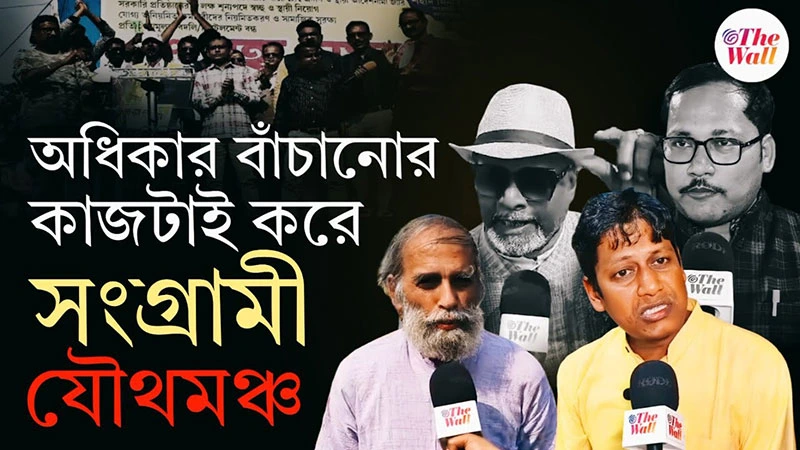
Is Massive WB Strike a Powerful Move for 25% DA?
The massive strike in West Bengal on 13 March 2026, over the demand for 25% Dearness Allowance (DA) has sparked strong debate. The massive WB strike has increased the bandwidth of the issue at the least. ২৫% ডিএ আর নিয়োগের দাবিতে উত্তাল বাংলা।
Many people now ask: Will this protest push the Government to release the pending dues soon?
The reality appears quite different. The leaders of the Sangrami Joutha Mancha had already called it a token strike. Therefore, the goal was not only immediate payment. Instead, the strike carried deeper political and social intentions.
In this article, we explore the real impact, hidden motives, and future possibilities related to the WB DA movement.
Can the WB Strike Force the Government to Act?
The simple answer seems to be No.
Even after such a large-scale protest, there is little sign that the administration will quickly release the pending DA amount. However, the strike still holds importance for several reasons:
- It tested the public response before elections
- The strike helped leaders identify loyal supporters and hidden dissenters
- It spread awareness about the long-standing DA issue
- It created a strong emotional impact among common citizens
As a result, the strike may not change policy overnight. Yet, it has changed the public conversation around the issue.
The launch of early Yuva Sathi is more important to Mamata Banerjee that arrear payment to Government employees.
Why Did Leaders Call for a Token Strike?
This question naturally follows. If success was uncertain, why organize such a massive movement?
Testing Ground Before Elections
Firstly, leaders needed to measure the strength of employee unity before the upcoming polls. Public support often influences political strategy.
Exposing Internal Divisions
Secondly, the protest helped them identify hidden traitors or weak links within the movement. Every long struggle faces internal challenges.
Expanding Public Awareness
Most importantly, the strike aimed to take the DA issue beyond government offices. Earlier, it concerned only employees and pensioners. Now, parents, students, and general citizens also discuss it.
Therefore, from a communication perspective, the strike achieved a wider reach.
Unfortunately the movement of apolitical forum in West Bengal losses its way in the highly political polarized society.
What Happened During the Protest Day?
One television channel reported a clash near Swasthya Bhaban. According to movement leaders, like Bhaskar Ghosh, some external groups allegedly tried to create chaos inside government departments.
In today’s 24×7 digital media world, people watched events live. Consequently, narratives spread quickly.
Although the Government may call the strike a failure, organizers will likely claim it as a grand success. This contrast is common in political movements.
Has the DA Issue Now Reached Common People?
Yes, and this is perhaps the biggest achievement of the strike.
Earlier, many citizens remained neutral because they did not fully understand the issue. However, after continuous coverage and public discussions:
- Guardians of school children now show sympathy for employees
- Retired workers feel their long struggle is finally visible
- Ordinary voters realize the legal and moral dimensions
Thus, the protest created a far-reaching social impact, even without immediate financial results.
What Role Did the Courts Play in the DA Battle?
The DA dispute has seen a legal fight of more than a decade. Employees approached multiple courts, including:
- Central Administrative Tribunal (CAT)
- High Court
- Supreme Court
Finally, the apex court directed the State Government to pay 25% DA arrears immediately and form a committee to plan payment of the remaining amount.
However, the Government later filed an appeal petition, which many observers see as a delaying tactic.
Why Is There Continuous Delay in Payment?
Several analysts point to political priorities as the main reason.
Election Timing Matters
Elections are likely to be announced soon. Once the Election Notification comes into force, major administrative decisions often get postponed.
Focus on Welfare Schemes
At the same time, the Government has increased or advanced certain popular welfare stipends. These steps may help build electoral support.
Strategic Postponement
If payment gets delayed until a new government forms, the current administration may avoid immediate financial pressure.
Therefore, critics call this a “delay strategy” rather than a simple administrative issue. The Government has also issued notices with a threat to cut one day’s salary.
Is It a Question of Ethics or Only Politics (অধিকার বনাম রাজনীতি)?
This debate goes beyond legal orders. It also raises moral and ethical questions. As the Bengal Election 2026 is nearing, the question of ethics remain aside.
On one side, employees demand their constitutional and financial rights. On the other side, governments must balance budget limits and electoral promises.
When vote politics becomes the top priority, citizens sometimes feel their rights are pushed aside.
What Lies Ahead for the DA Movement?
The massive WB strike may not have shaken the Government immediately. Nevertheless, it has:
- Strengthened employee solidarity
- Increased public sympathy and awareness
- Highlighted ethical concerns in governance
- Set the stage for future political negotiations
In conclusion, the movement has entered a new phase of public engagement. Whether the pending DA will be released soon depends largely on legal developments, election outcomes, and political will.
Final Thoughts: Why Political Self-Interest Harms Society
When leaders use their power for winning elections instead of serving justice, society suffers from widespread exploitation. As a result, progress stalls and the dream of fairness disappears.
Furthermore, this environment doesn’t just block future growth; it strips people of their basic rights.
Ultimately, when politics comes before people, even the most fundamental freedoms are lost. People of West Bengal will certainly remember it before Bengal Election 2026.
সরকারি কর্মচারীদের ক্ষোভ কি ভোটবাক্সে প্রভাব ফেলবে?
The 2026 Bengal Election landscape (২০২৬ নির্বাচনের বিশেষ বিশ্লেষণ) is shifting as public frustration meets political strategy. Here is a simplified breakdown of the 10 key points:
10 Key Points: How it can affect Bengal Election 2026
- Non-political influence: Groups that aren’t tied to parties (অরাজনৈতিক যৌথ মঞ্চ) are now reaching regular people. Consequently, these voices matter more because the traditional “intellectual class” in Bengal has stayed silent lately.
- The jobs crisis: People are demanding that the government fill permanent job openings. স্থায়ী শূন্যপদে নিয়োগ চাই. As a result, this issue is creating a massive impact across the state.
- Widespread corruption: Nearly every citizen now feels the effects of local corruption. Because of this, it has become a primary concern for the average voter.
- Effective communication: Activists are focusing on “burning issues” that people care about most. Therefore, spreading these messages widely will likely change how people vote.
- The ripple effect on families: Families who receive “Lakshmir Bhandar” payments still suffer from low Dearness Allowance (DA) and job shortages. Specifically, these economic struggles cancel out the benefits of the cash schemes.
- Strategic timing: Protesters organized a strike right before the Prime Minister’s visit. By doing so, they ensured their message received maximum public attention.
- Social spreading: Frustrated job seekers and government workers are sharing their anger with everyone they know. Consequently, this dissatisfaction is spreading like wildfire to neighbors and relatives.
- The role of poll workers: Many angry government employees will actually manage the voting booths. Importantly, these workers are directly involved in the election process, which could influence the atmosphere on voting day.
- Fueling the backlash: The recent statewide strikes have turned into a “common man’s” struggle. Ultimately, this fuels “anti-incumbency,” making voters want to remove the current government.
- Short memory spans: Voters often forget old issues, but they remember what happens right before an election. Thus, any protest happening now will stay fresh in their minds when they go to the polls in 2026.
Key Takeaways – Massive WB Strike for 25% DA
- The massive WB strike focused on the demand for payment of 25% pending Dearness Allowance (DA).
- Leaders called it a token strike mainly to test strength and public response before elections.
- The protest helped spread awareness of the DA issue among common citizens, not just employees.
- The long legal battle ended with a court order directing payment, but implementation still faces delay.
- The Government’s appeal and upcoming election notification may further postpone the payment process.
- Media coverage and public clashes increased visibility and emotional impact of the movement.
- The strike created sympathy among guardians, voters, and general public.
- Political priorities and welfare schemes appear to influence decision-making on DA payment.
- Both sides are likely to claim success or failure based on their narratives.
- The movement has entered a new phase where public opinion may shape future outcomes.
People Also Ask (PAA) – Massive WB Strike & 25% DA
What is the main demand behind the massive WB strike?
The main demand of the striking employees is the payment of 25% pending Dearness Allowance (DA) arrears. They want the Government to follow the court order and clear the dues without further delay.
Was the WB strike successful or a failure?
The answer depends on perspective. The Government may call it a failure due to normal office functioning in some areas. However, organizers consider it successful because it created public awareness and unity among employees.
Why did the Sangrami Joutha Mancha call it a token strike?
Leaders described it as a token strike to test public response, measure organizational strength before elections, and spread the message about the DA issue to common citizens.
Will the Government release the pending DA soon?
There is no clear indication of immediate payment. Legal procedures, appeal petitions, and election-related administrative limitations may further delay the process.
How has the DA movement affected common people?
Earlier, the DA issue remained limited to employees and pensioners. Now, due to media coverage and protests, guardians, students, and general voters have become more aware and sympathetic.
What role did the Supreme Court play in the DA dispute?
The Supreme Court directed the State Government to pay 25% DA arrears and form a committee for the remaining amount. However, further legal steps have slowed the implementation.
Why is the DA payment getting delayed repeatedly?
Experts believe the delay may be linked to financial pressure, political priorities, and election timing. Administrative decisions often slow down once election notification comes into effect.
Can future protests increase pressure on the Government?
Yes. Continuous movements, public support, and legal follow-ups can increase moral and political pressure. However, final decisions will depend on policy choices and court outcomes.