Toxic Religious Polarization in Bengal Now
Apr 26, 2026 - By Ashutosh Roy Current AffairsElection AnalysisPoliticsRegional UpdatesSocial IssuesWest Bengal Politics
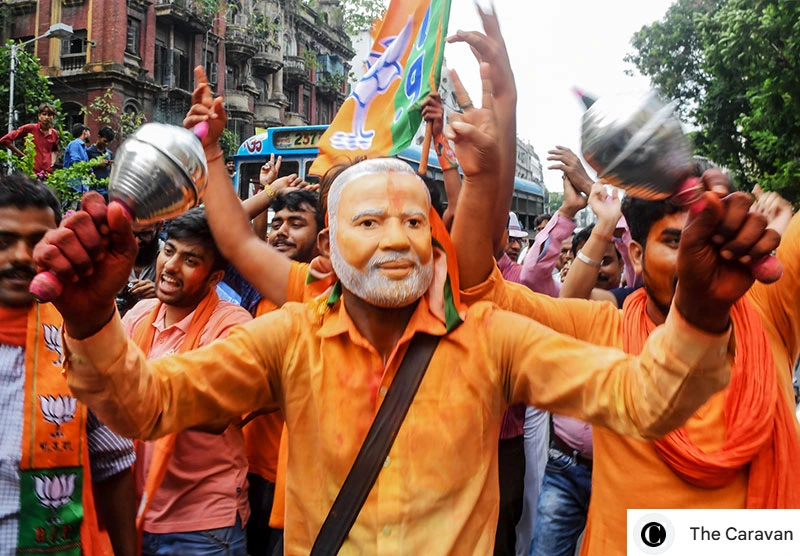
Is Religious Polarization a Serious Threat to Bengal Society?
Religious Polarization is one of the most dangerous forms of identity politics. It divides people based on religion. As a result, it weakens social unity and increases mistrust among communities.
To understand its impact, we must look at history. Religious Identity largely caused the Partition of India, dividing India. Thus, this event created deep and lasting scars.
Moreover, the Radcliffe Line divided Bengal in a rushed and unplanned way. However, its consequences did not end there. Even today, people continue to feel its painful effects.
Furthermore, such extreme and unnecessary Competitive Polarization damages the culture of coexistence. Additionally, it creates division within society.
Over time, it can even lead to communal tensions and riots. Therefore, this growing polarization is extremely dangerous and must be addressed carefully.
Communal Riots / Incidents in West Bengal Since 2011
| Year | Location | Incident Description | Impact |
|---|---|---|---|
| 2011 | Multiple districts | Around 15 communal incidents reported after change in government | Several injuries reported |
| 2012 | Statewide | Around 23 incidents of communal clashes | Rising trend begins |
| 2013 | Multiple areas | Continued tension | Around 24 incidents reported |
| 2014 | Various districts | Around 16 incidents recorded | Slight decline |
| 2016 | Kaliachak | Violence over alleged religious remarks | Police station damaged, injuries |
| 2016 | Hazinagar | Communal clashes during religious procession | (Several injured |
| 2017 | Baduria-Basirhat | Violence over social media post | Internet shutdown, widespread unrest |
| 2018 | Asansol | Ram Navami-related clashes | Deaths and large-scale tension |
| 2019 | Bhatpara | Political-communal clashes | Multiple deaths, heavy violence |
| 2021 | Statewide (post-poll) | Post-election violence with communal undertones | Multiple deaths, displacement |
| 2023–2026 | Various districts (e.g., Birbhum) | Sporadic clashes and election-related violence | Injuries, law & order concerns |
Is Polarization Influencing Hindu Voting Patterns?
In India, especially in West Bengal, Hindus are the majority. Therefore, their social responsibility is higher. However, when sections feel insecure about their identity, Religious Polarization begins to influence their choices.
As a result, some voters may shift toward the Bharatiya Janata Party, seeing it as a protector of their identity.
Key observations:
- Shankar Ghosh stated in an interview with the famous journalist Suman Chattopadhyay that many Hindus in North Bengal voted with Hindutva in mind.
- Although this may reflect a political stance, similar patterns are emerging in different regions.
Overall, Competitive Polarization is gradually shaping voting behavior. Therefore, it raises serious concerns about long-term social harmony.
Has Competitive Polarization Increased Under Mamata Banerjee’s Governance?
But why has this situation of toxic Religious Polarization developed? Moreover, history is partly responsible. However, many believe that Mamata Banerjee bears a much larger role.
There are continuous allegations of Muslim appeasement. Initially, it started with the Imam allowance. Then, critics point to incidents like Samsherganj, where the situation reportedly turned tragic and cost the lives of a father and son because of police inaction.
Moreover, her statement from the Dharna stage is often quoted: “I am there, that’s why you are at peace…. If I unleash them, if they unite, they will ruin you in a minute”. This kind of messaging, critics argue, fuels Identity Politics further.
At the same time, people question what this appeasement actually means in practice. Many argue that it creates a perception that certain groups remain outside the rule of law.
Key allegations often highlighted:
- Wearing a fez cap and riding a bike may not attract police action
- Moreover, in some cases, law enforcement appears inactive.
- In addition, local strongmen, often referred to as Jahangir, Shahjahan, JCB, are said to emerge
Critics argue that such groups mainly secure votes for the ruling party, the Trinamool Congress, during elections.
As a result, authorities allow extortion and strong-arm tactics to continue instead of ensuring real development.
Sachar Committee Report shows their appalling condition. Therefore, these perceptions are significantly contributing to the rise of Identity Politics.
What About Demographic Changes and Governance Concerns in Bengal?
Religious Polarization is often linked to concerns about governance and demographic changes in West Bengal. Critics argue that certain policies may be weakening Bengal’s long tradition of coexistence.
There are also allegations that illegal infiltration in border areas has increased over time. As a result, some people claim that the demographic balance has changed in a few regions.
Key concerns often highlighted:
- Claims that illegal migrants receive documents like Aadhaar, ration cards, and voter IDs
- Allegations of local political support, especially from Trinamool Congress leaders
- Reports that some migrants settle in Kolkata and nearby areas
In some cases, schemes like Lakshmir Bhandar are also mentioned in this context. Critics claim that beneficiaries may include such groups, which then influences voting patterns.
Overall, these perceptions, whether proven or debated, are contributing to growing Identity Politics.
Therefore, they raise serious questions about governance, fairness, and social stability.
Is Religious Polarization Driving BJP’s Rise in Bengal?
As toxic Religious Polarization grows, sections of the Hindu majority feel a sense of insecurity about their identity. As a result, concerns around existence and representation are becoming more visible.
Historically, West Bengal had a strong record of communal harmony. Even after the Babri Masjid demolition, large-scale riots were largely avoided. Jyoti Basu said that riots can occur only if the Government wants.
Leaders like Buddhadeb Bhattacharjee strongly opposed communal violence. Additionally, he said, If they come here to create riots, we will not leave them. We will break their heads. (বাংলায় দাঙ্গা করতে এলে মাথা ভেঙে দেব।)
However, the situation appears to be changing. Even traditionally liberal Hindus are now expressing concerns. Consequently, this shift is influencing political trends in the state.
Key developments:
- Growth of the Bharatiya Janata Party in West Bengal
- Leaders like Suvendu Adhikari openly promoting Hindutva politics
- Increasing public support for such narratives in certain regions
Therefore, Religious Identity is not only shaping social attitudes but also driving significant political change in Bengal.
Why Must Identity Politics Stop to Protect Bengal’s Future?
Elections come and go. Political parties like the Trinamool Congress and the Bharatiya Janata Party may rise or fall. However, the state and its people will remain.
Hindus and Muslims must continue to live together. That is the reality of Bengal. Unlike Bangladesh, India has a different social structure and constitutional framework.
However, Religious Polarization can cause long-term damage. It weakens harmony and creates deep divisions that are hard to heal.
Therefore, regardless of which party forms the government, there is a strong need to stop this trend.
- Focus should return to coexistence
- Social harmony must be protected
- Bengal’s cultural legacy should be preserved
Decremental Hindu Population (%) in Bangladesh
| Census Year | % of Hindus |
|---|---|
| 1974 (first census after 1971) | 13.5% |
| 1981 | 12.1% |
| 1991 | 10.5% |
| 2001 | 9.2% – 9.6% |
| 2011 | 8.54% |
| 2022 | 7.95% |
| Source: Wikipedia | |
Final Thoughts of Knowledge Mart
Experienced Knowledge Mart Analysts know very well that Power changes. Governments come and go. But society must endure.
If toxic Religious Polarization continues, the damage will be deep and long-lasting. It will not only divide communities but also weaken Bengal’s core identity.
Therefore, the real choice is clear: division or peaceful coexistence by Religious Polarization. Bengal has always chosen unity as a tradition. Now, it must choose it again. The future depends on maintaining unity, not division.
Knowledge Mart, as the close observer of West Bengal Politics certainly despise such Toxic Religious Polarization.
10 Key Takeaways from Knowledge Mart:
- Religious Polarization is one of the most dangerous forms of identity politics, as it divides society on religious lines.
- The roots of Identity Politics or Religious Polarization can be traced back to events like the Partition of India, which left long-lasting scars.
- The rushed division under the Radcliffe Line still impacts Bengal today.
- Critics argue that policies under Mamata Banerjee have intensified perceptions of minority appeasement.
- Allegations of illegal infiltration and demographic changes are adding to concerns around Religious identity.
- Sections of the Hindu majority are increasingly feeling insecure, influencing their political choices.
- This shift has contributed to the rise of the Bharatiya Janata Party in West Bengal.
- Leaders like Suvendu Adhikari are openly promoting Hindutva politics and gaining support.
- Bengal’s long-standing tradition of communal harmony, even after the Babri Masjid demolition, is now under strain.
- If unchecked, Religious Division can cause long-term social division, making coexistence and stability more difficult in the future.
People Also Ask
What is identity politics and why is it controversial?
Identity politics focuses on group identity like religion or caste. However, it often creates division instead of unity.
How did the Partition of India impact society?
The Partition of India, triggered by toxic religious polarizarion, led to massive displacement and long-term social divisions that still affect communities today.
Why is communal harmony important in West Bengal?
West Bengal has a long tradition of coexistence, not such brutal religious polarization. Moreover, It is sharing the highest Indo-Bangladesh borders. Therefore, maintaining harmony is essential for social stability and peace.
Is voting behavior influenced by social and cultural factors?
Yes, voters are often influenced by identity, security concerns, and local issues, which can shape election outcomes.
How can governments maintain social balance in diverse societies?
Governments can ensure fairness by applying laws equally, avoiding bias, and promoting inclusive development for all communities.
[…]Toxic Religious Polarization in Bengal Now Religious polarization is tearing at Bengal’s soul. Discover how this toxic divide threatens to ruin our traditional unity and destroy centuries of harmony.[…]
[…]Toxic Religious Polarization in Bengal Now Religious polarization is tearing at Bengal’s soul. Discover how this toxic divide threatens to ruin our traditional unity and destroy centuries of harmony.[…]