Mamata: A New Autocrat from Simple Leader?
Mar 09, 2026 - By Ashutosh Roy Election AnalysisGovernancePoliticsRegional UpdatesWest Bengal Politics
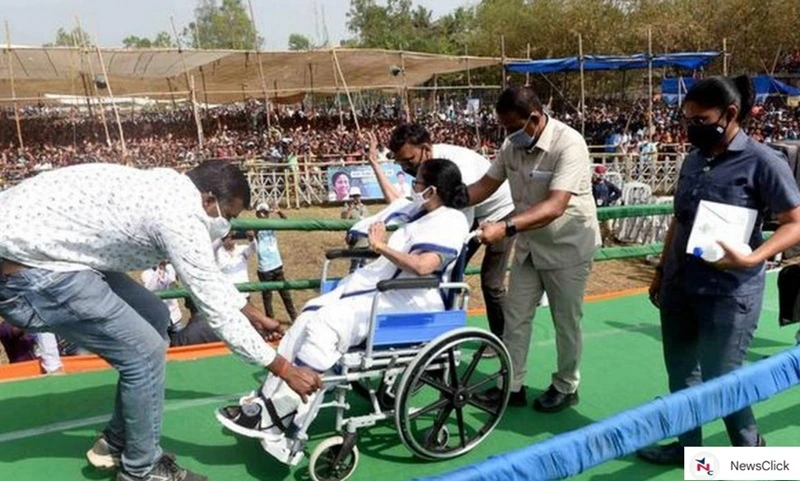
Legendary Mamata: Transformation of a Simple Leader to An Autocrat
The political journey of Mamata Banerjee is one of the most dramatic transformations in modern Indian politics.
For decades, the people of West Bengal watched her rise from a fiery grassroots leader to the most powerful political figure in the state. Moreover, Her journey began with a powerful upset in the 1984 parliamentary election.
At that time, she defeated veteran communist leader Somnath Chatterjee in the Jadavpur Lok Sabha seat. Many called her a “giant killer” also.
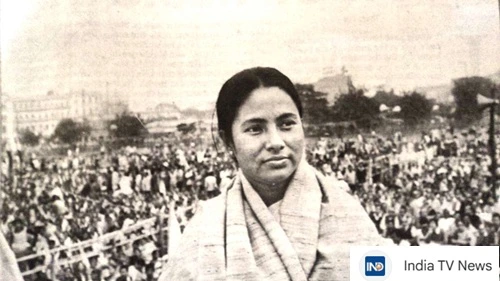
However, that victory was just the beginning. Over the next decades, Mamata built an image of simplicity, courage, and closeness to common people.
Though her critics argue that after coming to power in 2011, the same leader gradually transformed into a centralised and powerful ruler.
So, how did this transformation happen?
How Did Mamata Banerjee Rise From a Simple Leader?
In the early years, Mamata Banerjee projected herself as a leader of the poor and marginalized.
She came from a modest family background and studied in ordinary colleges. Therefore, many people saw her rise as a challenge to the traditional elite culture of Bengali politics.
Her simple lifestyle became part of her political identity.
Key features of her early image
- Simple cotton saree
- Hawai chappals
- Minimal make-up
- Direct contact with ordinary families
- Constant presence at protest sites
Moreover, she often visited people’s homes during political tours. She also even entered kitchens and chatted with families. Thus, this created a strong emotional connection with voters.
Because of this approach, many people began to see her not just as a politician but as a member of their family.
Why Was Her Fight Against the Left Front So Powerful?
For decades, the political battlefield in West Bengal was dominated by the Left Front led by the Communist Party of India (Marxist).
During this period, Mamata Banerjee emerged as the most aggressive opponent of the Left government.
She regularly faced police action and attacks from political rivals. Still she continued organizing protests and rallies.
Hence, this uncompromising stand gave her a powerful political advantage.
Her opposition politics included
- Street protests
- Hunger strikes
- Dharna demonstrations
- Continuous criticism of the ruling government
- Grassroots mobilization
One of the biggest moments came during the Singur agitation.
What Happened During the Singur Protest in 2006?
The Singur movement became a turning point in Mamata Banerjee’s political journey.
The protest was directed against land acquisition for a car factory project. Nevertheless, the factory belonged to Tata Motors.
Nonetheless, Mamata positioned herself as the defender of farmers and marginalized communities.
Her dharna in 2006 was simple and modest.
Features of the Singur protest stage
- Minimal arrangements
- Basic infrastructure
- Limited financial resources
- Continuous presence of protestors
However, the political impact was enormous.
The movement helped unite many opposition forces against the Left government despite of their ideological differences.
Eventually, this momentum contributed to the historic political change in 2011.
What Changed After Mamata Banerjee Came to Power in 2011?
In 2011, Mamata Banerjee ended the 34-year rule of the Left Front and became Chief Minister.
This was a historic moment for West Bengal politics.
However, critics argue that her leadership style began to change after gaining power. On the other hand, today she has become a flaming personification of opulence.
Observed changes in political functioning
- Strong centralization of authority
- Aggressive response to opposition
- Increased political polarization
- Rise of party dominance in local areas
Many opposition leaders have accused the administration of using police action and arrests against political rivals.
Supporters, on the other hand, argue that strong governance was necessary to maintain political stability.
Has the Culture of Political Protest Also Changed?
During her years in opposition, Mamata Banerjee frequently organized dharnas and protests.
However, critics say the style and scale of these events have changed significantly.
Today, protest platforms often appear much more elaborate and organized and also .extravagant.
Some observers compare them to large national political events.
Differences critics highlight
Earlier protests:
- Simple stages
- Minimal spending
- Volunteer-driven arrangements
Recent protests:
- Larger platforms even against Special Intensive Revision of Voter Rolls
- Extensive arrangements with epitome of magnificence
- Professional event management

Whether this reflects political growth or changing political culture remains a subject of debate.
How Did Her Political Position Become Stronger Over Time?
In the early 2000s, Mamata Banerjee’s political future was uncertain. Her political career shows a sinusoidal graph.
In fact, during the 2004 parliamentary election, she was the only Member of Parliament from her party, the All India Trinamool Congress.
Her political journey resembled a sinusoidal curve with many ups and downs.
However, after 2006 she began consolidating support across different opposition groups.
Factors behind her rise
- Farmer movements such as Singur and Nandigram
- Anti-Left political wave
- Strong grassroots organization
- Strategic alliances
Gradually, her party became the dominant political force in the state.
Why Do Critics Now Call Her Leadership Authoritarian?
The debate about Mamata Banerjee’s leadership style remains intense in West Bengal politics.
Some critics argue that the state has gradually moved toward a “zero-opposition” environment.
They claim that political rivals face intimidation and organizational pressure.
Allegations made by opposition groups
- Arrests of opposition activists
- File false cases against oppositions
- Political clashes in rural areas
- Administrative pressure on dissenting voices
Supporters reject these accusations and argue that such conflicts are common in competitive politics.
Nevertheless, the debate continues in political circles.
What About Her Relationship With National Institutions?
Another point of discussion involves her relationship with central institutions.
Earlier in her career, Mamata Banerjee often expressed respect for constitutional positions such as:
However, political confrontations between state and central governments have intensified in recent years.
During several public speeches, she has strongly criticized the central government led by the Bharatiya Janata Party. She has also criticized the CBI and she has got involved personally in direct confrontation with the ED.
These confrontations reflect the broader federal tensions in Indian politics.
Today, she is attacking the President from the dharna platform using highly unparliamentary and unacceptable language on March 07, 2026.
She has found ghost of BJP in President Murmu also.
Has Her Personal Lifestyle Also Changed?
One of the most striking contrasts discussed by observers concerns her public lifestyle.
Earlier, Mamata Banerjee was known for traveling in simple ways.
Earlier image of Mamata Banerjee
- Walking long distances during protests
- Riding on motorcycles as a backseat passenger
- Minimal security presence
Today, as Chief Minister, security arrangements and official travel have naturally expanded.
For example:
- Use of helicopters for official visits
- Large security convoys
- Formal administrative protocols
While these changes may reflect the responsibilities of high office, critics see them as part of a broader transformation.
What Does This Transformation Mean for Bengal Politics?
The political evolution of Mamata Banerjee represents a larger story about power and leadership.
Her journey includes:
- Grassroots activism
- Fierce opposition politics
- Electoral triumph
- Consolidation of power
Many supporters still view her as the defender of Bengal’s interests.
However, critics argue that her leadership has become increasingly centralized.
How will History remember Mamata Banerjee?
The story of Mamata Banerjee is one of the most fascinating political journeys in India.
From a simple grassroots leader wearing cotton sarees and Hawai chappals, she rose to become the most powerful political figure in West Bengal.
Her transformation reflects both the opportunities and the challenges that come with power.
Whether history ultimately remembers her as a champion of the masses or as a centralizing ruler will depend on how Bengal’s political story unfolds in the coming years.
When the 2026 Bengal election is close by, we need to watch how the people are looking at her.
Key Takeaways
- Mamata Banerjee rose from a modest background to become a dominant political leader.
- Her early political image focused on simplicity and direct public contact.
- The Singur movement helped transform her into the main challenger to the Left Front.
- After coming to power in 2011, her leadership style reportedly became more centralized.
- Political debates continue over whether this transformation reflects governance necessity or authoritarian tendencies.
People Also Ask (PAA)
1. How did Mamata Banerjee begin her political career?
Mamata Banerjee began her political career as a youth activist in the Indian National Congress. She gained national attention in 1984 when she won the Lok Sabha election from Jadavpur, defeating veteran communist leader Somnath Chatterjee and emerging as a powerful anti-Left political figure.
2. Why was Mamata Banerjee called the “giant killer”?
Mamata Banerjee earned the nickname “giant killer” after defeating senior Left leader Somnath Chatterjee in the 1984 parliamentary election from Jadavpur. At that time, Chatterjee was a powerful figure of the Communist Party of India (Marxist), making Mamata’s victory a shocking political upset.
3. What role did the Singur movement play in Mamata Banerjee’s rise?
The Singur movement in 2006 became a turning point in Mamata Banerjee’s political journey. She opposed land acquisition for a car factory project of Tata Motors and positioned herself as the defender of farmers and marginalized communities, which significantly boosted her popularity across West Bengal.
4. How did Mamata Banerjee come to power in West Bengal?
Mamata Banerjee came to power in 2011 after defeating the long-ruling Left Front government in West Bengal. Her party, the All India Trinamool Congress, built a strong political movement by mobilizing farmers, workers, and urban voters against the 34-year rule of the Left.
5. What was Mamata Banerjee known for as an opposition leader?
As an opposition leader, Mamata Banerjee was known for aggressive street protests, hunger strikes, and grassroots political campaigns. She frequently organized demonstrations against the Left Front government and built a reputation as a fearless leader who stood with ordinary people.
6. Why do critics call Mamata Banerjee’s rule authoritarian?
Some critics argue that Mamata Banerjee’s governance style has become increasingly centralized since she became Chief Minister in 2011. They claim opposition parties face political pressure and administrative challenges. However, her supporters argue that strong leadership is necessary to maintain political stability.
7. How has Mamata Banerjee’s political image changed over the years?
Mamata Banerjee was once widely seen as a simple grassroots leader who wore cotton sarees and hawai chappals and directly connected with ordinary people. Over time, critics say her image has shifted toward that of a powerful and dominant political ruler in West Bengal.
8. Why is Mamata Banerjee considered a major figure in Bengal politics?
Mamata Banerjee is considered one of the most influential leaders in Bengal politics because she ended the 34-year rule of the Left Front in 2011. Since then, she has remained the central political figure shaping the direction of West Bengal’s governance and electoral politics.