Bengals Dessent to Competitive Polarization
Oct 20, 2025 - By Ashutosh Roy Culture & HeritageElection AnalysisGovernance & AdminPoliticsSocial IssuesWest Bengal Politics
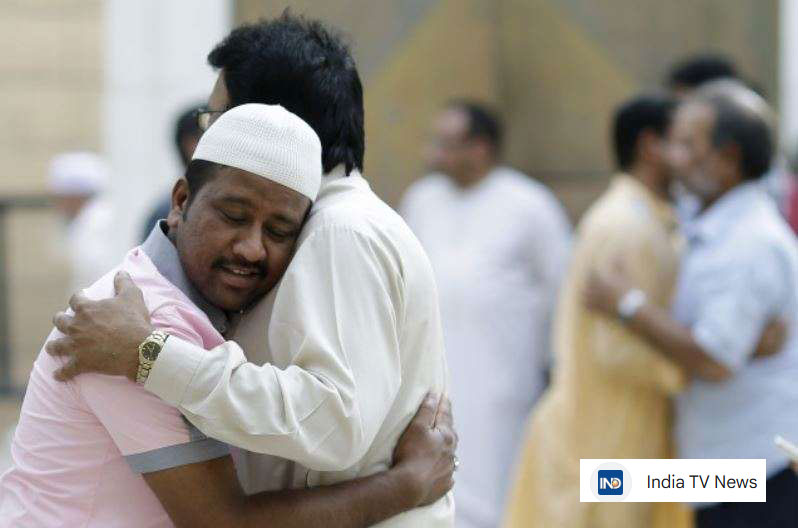
Brutal competitive polarization
West Bengal has never seen such brutal competitive polarization since the independence. Whether it’s Bidhan Chandra Roy or Jyoti Basu or Buddhadev Bhattacharya, none indulged in such identity politics in their lifetime.
Even Mamata Banerjee in her first 7/8 years didn’t allow such naked polarization. She had been alleged over the Muslim appeasement policy since the beginning of her regime; but it was in a delicate manner.
The sudden inorganic growth of BJP in the 2019 election has perhaps triggered the alarm button for her to go all out.
Her desperation to retain in power has provoked her to instigate such hilarious religious divisions in the state.

Image Courtesy: Prokerala
Rivalries without competitive polarization
We have seen the arch rivals CPM and Congress to go for massive fights; some of which turned to be violent also. The street fighter Mamata Banerjee had also raised several issues and had gone for Strike, road blocks and violent protests against the ruling CPM.
But such hysterical competitive polarization because of the intense rivalry between TMC & BJP have been increasingly centered on religious and identity-based issues. Yet, no political parties opted suicidal decisions, which are bound lead to irreversible consequences.
Earlier clashes were largely ideological or class-based; today, the competitive polarization is explicitly communal. Mamata Banerjee appears to have embarked on a perilous journey; one akin to riding a tiger, where getting off could prove disastrous.
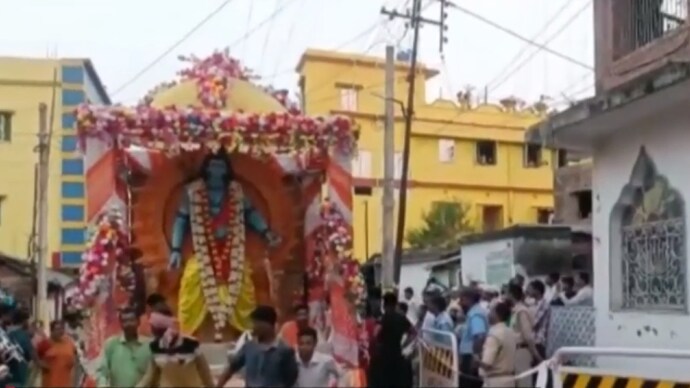
Image Courtesy: India Today
Inorganic Growth of BJP in West Bengal
BJP’s history shows a rapid rise. Its tally jumped from just 2 seats to more than 80 in five years. The party achieved this by aggressively promoting the Hindutva slogan. Ayodhya and the Ram Mandir gave the BJP massive mileage. Critics say the party could not have earned such gains through development work even in 50 years.
A weakening Congress helped the BJP further. Congress suffered splits, infighting, and several scams during its last regime. At the same time, regional parties continued to rise. This combination created a wider space for the BJP to grow into a pan-India party. However, BJP, for obvious reasons will play the religious cards.
The corruption ridden Mamata Banerjee with her baggage of so many well-talked failures, misgovernance, scams and financial scandals has become desperate today.
The shadow of corruption has loomed intensely over Mamata. To counter the BJP’s Hindutva narrative, she has played the religious card with uncanny precision. This move has changed the political climate. It has heightened communal tensions. It has also pushed governance issues into the background, especially ahead of the 2026 Assembly elections.
Competitive polarization: BJP vs TMC
In April 2025, the central government amended the Waqf laws. The move triggered protests in West Bengal. The strongest reactions came from Murshidabad, a Muslim-majority district. The situation soon turned violent. Communal clashes broke out.
Image Courtesy: Times of India
Both the TMC and the BJP blamed each other. Each accused the other of fuelling the unrest for political gain. Many in the Muslim community saw the new Waqf bill as a threat to their rights. They believed the expanded state control over Muslim religious properties was unacceptable.
Mamata Banerjee did not leave any stone unturned to lash out and label BJP as anti-muslim despite Narendra Maodi’s crystal clear slogan of “Sobka Saath, Sobka Bikahs”.
Mamata Banerjee unleashed her minority appeasement policy to consolidate Muslim voters. She has been now engaging herself in construction of various temples to counter BJP’s Hindutva. Her desperation to capture Hindu emotions implies that she is not that confident in complete consolidation of the Muslim Voters. Indeed, a faction of state BJP under the leadership of Suvendu Adhikary has been constantly harping on “Jo hamara Sath, haam unke Saath”.
In contrast, the other faction led by the state party president, Shamik Bhattacharyya has been echoing much balanced slogan of inclusive growth; envisioning a new Bengal, where Durga Puja immersions and Muharram processions can go side by side with a flag of peace and humanity.
Anti-SIR stance of Mamata Banerjee
Chief Minister Mamata Banerjee and the TMC launched a campaign against the Special Intensive Revision (SIR), alleging it is a BJP plot to disenfranchise genuine voters. Her main message was simple. She claimed the BJP wants to block Muslim voters.
It is evident that many illegal immigrants have entered West Bengal. According to her critics, these immigrants now function as a vote bank in her favor.
The TMC has framed the political battle as protecting Bengali identity against the BJP’s alleged plan to “demolish the Bengali community and language”. Symbolically, most controversial and infamous TMC leader, Anubrata Mandal had started a rally from Birbhum to support Bhasha Andolan with the photo of Rabindranath Tagore in July 2025.
Though the fact of life remains that the Bengali workers have been hackled in many non-BJP states like Tamil Nadu, Hariyana, Karnataka.
Mamata’s steadfast refusal of SIR and Abhishek Bandyopadhyay’s threat to surround the election commission with ten lakhs people, went in vain.
West Bengal Legacy
A specter of corrosive communalism is haunting West Bengal today, which has always witnessed the legendary synchronized co-existent of Hindu and Muslim. If this competitive polarization continues, its illustrations will be fatal in the long term. Hope any person of prudence will hinder such suicidal attempt at any cost.
[…]Bengals Dessent to Competitive Polarization In-depth research, surprising facts, and timely insights—this report is a must-read. Explore the full story about Competitive Polarization in West Bengal today![…]
[…]Bengals Dessent to Competitive Polarization In-depth research, surprising facts, and timely insights—this report is a must-read. Explore the full story about Competitive Polarization in West Bengal today![…]
[…]Bengals Dessent to Competitive Polarization In-depth research, surprising facts, and timely insights—this report is a must-read. Explore the full story about Competitive Polarization in West Bengal today![…]
[…]Bengals Dessent to Competitive Polarization In-depth research, surprising facts, and timely insights—this report is a must-read. Explore the full story about Competitive Polarization in West Bengal today![…]