Why Leaders Fail at Proven Street Politics?
Mar 29, 2026 - By Ashutosh Roy Election AnalysisPoliticsSocial IssuesWest Bengal Politics
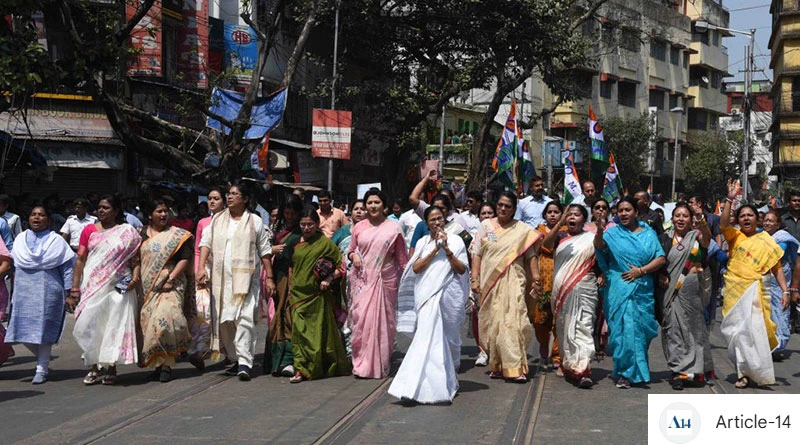
Is Street Politics an Old School Politics?
In the age of digital media and 24×7 TV channels, many political leaders seem to forget one powerful tool, the proven street politics. Once, street movements shaped public opinion. Today, live debates and YouTube streams dominate the narrative.
But does media visibility replace mass connection? Can studio discussions substitute public rallies and door-to-door outreach? Let us explore why leaders fail at proven street politics and why it still matters.
What Is Proven Street Politics and Why Did It Work?
Street politics refers to:
- Public rallies and marches
- Door-to-door communication
- Dharna and protest gatherings
- Direct interaction with people
- Reaching victims during crises
In states like West Bengal, street politics is not just a strategy. It is a tradition. The city of Calcutta (Kolkata) was once proudly called Michil Nagari or the city of processions.
From childhood, many of us grew up hearing slogans and watching rallies. Political awareness was part of daily life. No major party dared to avoid street politics because it connected directly with the masses.
Indeed, both Jyoti Basu and Mamata Banerjee had come into the limelight as opposition leaders.
Why did it succeed?
- Street Politics created emotional bonding
- It built long-term trust
- Mass Movements helped leaders understand ground reality
- It gave people a sense of participation
Even if every rally did not convert into votes, the psychological impact remained strong.
Has Digital Media Replaced Street Politics?
With the rise of digital platforms and 24×7 TV channels, political communication has changed.
Today:
- Media often reaches the street before leaders do
- YouTube channels broadcast live incidents instantly
- Social media shapes opinions within minutes
- Studio debates replace grassroots conversations
As a result, people consume political narratives from screens rather than public squares.
However, this creates a problem.
We often develop opinions based on how media presents an issue. Media biasness, whether intentional or not, can influence perception. Therefore, our understanding may not always reflect the complete truth.
So, can digital media fully replace street politics? The answer is complex.
Why Does Street Politics Still Matter?
Despite the digital revolution, street politics continues to hold power.
Let us consider real examples.
How Did the Bangla Bachao Yatra Show Mass Response?
The Communist Party of India (Marxist) organized the Bangla Bachao Yatra.
While the electoral impact remains debated, one fact is clear; the yatra reached the masses. It revived grassroots engagement. It showed that street mobilization still attracts attention.
Even if votes do not immediately follow, political presence becomes visible and felt.
What Did the Abhaya Mass Movement Prove?
The Abhaya Mass Movement demonstrated something deeper.
- Elderly citizens joined protests
- People from terminal and marginalized classes expressed solidarity
- Emotional unity became visible on the streets
This was not just political messaging. It was social participation.
Street politics allows people to feel involved, not just informed.
Why Do Some Leaders Still Believe in Retail Politics?
Some leaders continue to rely on direct public engagement.
How Does Mamata Banerjee Use Street Politics?
Mamata Banerjee remains active in street politics. She has grown up as opposition with an uncompromising anti-CPI(M) stance. Moreover, she used to make her visible throughout the day and night.
Even today being a Chief Minister, she participates in dharna and public protests. On 6 March, she was organized for a sit in protest again.
Critics may debate her objectives. However, as an old-school politician, she understands the power of physical presence.
She often:
- Visits places of violence
- Meets victims’ families
- Engages directly with voters
This approach builds emotional connection.
What About Other Leaders Like Dilip Ghosh?
Dilip Ghosh, former state president of the Bharatiya Janata Party (BJP), also visited affected areas and victim families.
His language often sparked controversy. Yet, the effort to connect with the masses cannot be ignored.
Because at the end of the day, people remember who stood beside them during difficult times.
What About Suvendu Adhikari’s Bengal Election Efforts?
- Hardest Working Leader: Suvendu Adhikari stands out as one of the most hardworking BJP leaders in West Bengal today.
- Extensive State Travel: He is constantly on the move, often traveling from Kolkata to Cooch Behar in a single day to cover the entire state.
- Solo Campaign Effort: Adhikari appears to be carrying the primary responsibility for the BJP’s 2026 Bengal Election campaign on his own.
- Focus on Rallies: His current strategy relies heavily on large public meetings rather than grassroots “door-to-door” campaigning or street-level activism.
- Internal Challenges: Despite his efforts, he faces hurdles due to internal party factions and a significant lack of grassroots workers.
- Bhabainpur Battle: Suvendu Adhikary also takes on Mamata Banerjee in Bhabinpur.
Why Are Leaders Failing at Proven Street Politics Today?
Despite its advantages, many leaders fail to maintain effective street politics. Indeed, opposition parties used to get enough space to operate and express themselves. Today, the situation has completely changed in West Bengal. Now, the ruling parties are desperately trying to squeeze and shrink that space.
What Are the Key Reasons?
- Over-dependence on media narratives
- Excessive focus on social media image
- Reduced door-to-door engagement
- Fear of controversy in physical gatherings
- Decline in personal interactions
Moreover, modern leaders sometimes underestimate emotional politics. They rely on data analytics but forget human touch. Perhaps they forget that they are not political analysts.
Street politics requires:
- Time
- Physical stamina
- Emotional intelligence
- Direct accountability
Not every leader is willing to invest that effort.
Should Leaders Ignore Digital Media?
Absolutely not.
Digital media is essential in today’s political landscape. Social platforms help reach young voters. 24×7 coverage ensures visibility. Even most of the elderly people also browse different social media on regular basis.
On the other hand, leaders should also keep in mind how biased media can develop political narratives in West Bengal.
However, balance is necessary.
Why Is a Hybrid Approach Important?
- Digital media spreads information quickly
- Street politics builds emotional connection
- Online campaigns attract youth
- Physical presence strengthens trust
Leaders must combine both strategies instead of choosing one over the other.
Can Street Politics Fuel Emotions More Effectively?
Yes, because politics is not just about information. It is about emotion.
When leaders:
- Visit homes
- Attend local meetings
- Listen to grievances personally
- Stand beside victims
They create lasting impressions.
In West Bengal’s political culture, emotional mobilization plays a significant role. The state has a history of intellectual debate and strong political consciousness. Bengalis once took pride in being politically aware and intellectually engaged.
Even though street politics sometimes caused disruption and chaos, people became accustomed to it. It became part of democratic expression.
Is Proven Street Politics Making a Comeback?
Possibly.
As people grow tired of digital noise and media bias debates, they may once again seek authentic connection.
Therefore, leaders who ignore street politics risk losing grassroots strength.
Final Thoughts: Why Leaders Must Relearn Street Politics
To conclude:
- Digital media shapes perception.
- Street politics shapes emotion.
- Media creates narratives.
- Ground connection creates loyalty.
Leaders fail at proven street politics when they forget that democracy lives on the streets, not just on screens. This is crucial when Bengal Elections 2026 has become virtually a two-party poll Battle.
In a politically conscious state like West Bengal, retail politics still matters. Personal touch still influences minds. Emotional solidarity still builds trust.
The future belongs to leaders who can master both, the modern communication and traditional street engagement.
Because in politics, visibility may win attention. But connection wins hearts.
The analysts of Knowledge Mart belong to an age, when proven street politics had remained as the only option. So, we still strive to the same philosophy. That does not mean we prohibit the technology marvels, but the human and personal interactions still carry a better weight.
Key Takeaways:
- Digital Noise Can’t Replace Ground Reality – Social media trends fade fast, but street presence creates lasting emotional impact.
- Street Politics Builds Trust, Not Just Visibility – Direct interaction through proven street politics connects leaders with real voters beyond TV debates.
- 24×7 Media Shapes Perception – Not Always Truth – Over-dependence on media narratives can distort public understanding.
- Mass Outreach Still Matters in West Bengal – From rallies to door-to-door visits, grassroots politics remains powerful.
- Personal Touch Wins Hearts – Visiting victims and engaging with families builds deep emotional loyalty.
- Media Strategy Alone Is Not Enough – Data analytics cannot replace human connection.
- Crowd Response Doesn’t Always Mean Votes – But It Builds Presence – Street movements keep parties politically relevant.
- The Winning Formula Is Hybrid Politics – Combine digital outreach with proven street mobilization for maximum impact.
- Leaders Fail When They Ignore Retail Politics – Emotional engagement fuels long-term political survival.
- Democracy Lives on the Streets, Not Just on Screens – Ground connection remains the backbone of mass politics.
People Also Ask (PAA)
What is proven street politics?
Proven street politics refers to traditional grassroots political activities like rallies, marches, dharnas, door-to-door outreach, and direct public engagement. It focuses on physical presence and emotional connection with voters rather than only media visibility.
Why are political leaders moving away from street politics?
Many leaders now depend heavily on digital media, social platforms, and 24×7 news coverage. These tools offer instant visibility. However, over-reliance on media reduces direct interaction with people at the grassroots level.
Can social media replace traditional street politics?
No, social media cannot fully replace street politics. While digital platforms spread messages quickly, proven street politics builds trust, emotional bonding, and long-term loyalty among voters.
Why is street politics important in West Bengal?
West Bengal has a long history of political awareness and public mobilization. The culture of rallies, protests, and public engagement remains strong. Emotional and personal connection still plays a key role in influencing voters.
Does street politics always convert into votes?
Not necessarily. Large crowds may not always translate into electoral success. However, Proven street politics helps parties stay visible, relevant, and emotionally connected with the masses.
How does direct public interaction influence voters?
When leaders visit homes, meet victims, or attend local meetings, people feel heard and valued. This personal touch often leaves a deeper impression than televised speeches.
Is a hybrid political strategy more effective today?
Yes. The most effective approach combines digital outreach with traditional street engagement. Leaders who balance online presence with grassroots connection or Proven Street Politics often gain stronger public trust.
Why do voters still value retail politics?
Retail politics makes politics personal. It transforms leaders from distant figures on screens into accessible representatives who stand beside people during real-life crises.