Congress-CPM ties break in Bengal now
Feb 09, 2026 - By Ashutosh Roy Current AffairsPolitics
Key Highlights:
- Congress to fight alone in 2026 ending the decade long Congress-CPM ties
- High-level leadership seals the split
- Exit of Adhir Ranjan Chowdhury proved decisive
- CPM also opts for solo battle
- Low vote share remains the biggest hurdle
- Limited hope from 2024 Lok Sabha data
- Four-cornered fight benefits TMC
- Congress holds regional pocket advantage
- Minority and women voters remain decisive
- 2026 shaping into a polarized referendum
Congress to Run Alone in 2026 West Bengal Elections
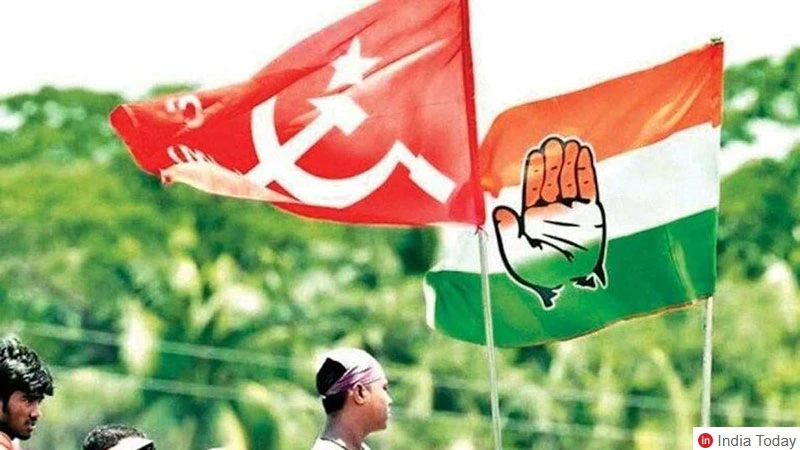
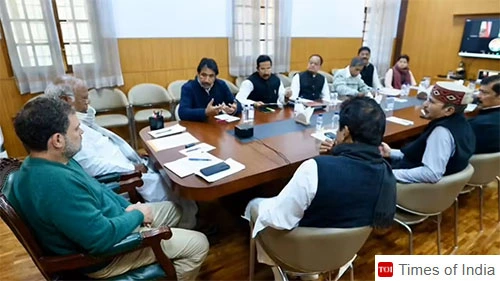
The Congress party decided to contest the 2026 West Bengal Assembly elections alone during a high-level meeting. Thus, this major move, announced on February 5, 2026, effectively ends the decade-long Congress-CPM ties in West Bengal.
Key Leaders Finalize the Split
The West Bengal Pradesh Congress Committee and the AICC made this joint decision. Moreover, Notable leaders in attendance included Mallikarjun Kharge, Rahul Gandhi, Adhir Ranjan Chowdhury, and Shuvankar Sarkar.
Why the Alliance Collapsed
However, many experts viewed this split as inevitable after Adhir Ranjan Chowdhury stepped down as State President. Since Adhir Chowdhury was the strongest advocate for the Congress-CPM ties, his removal shifted the party’s strategy. Consequently, the path opened for the party to pursue an independent campaign.
CPM Responds to the Move
Hence, the CPM reacted almost immediately to the news. Party leader Mohammed Salim announced that the CPM will also move forward independently. As a result, they plan to field candidates in all 294 constituencies across the state.
Will the Split of Congress-CPM ties Change the Election Results?
Will the end of the Congress-CPM ties truly impact the 2026 West Bengal elections ultimately? Only time can provide a definitive answer. However, we can analyze the current political possibilities based on recent data.
The Vote Share Challenge
Currently, both parties struggle with a low vote share. Both Congress and the Left hold only about 8% to 10% of the total votes. In contrast, the TMC and BJP dominate the landscape, controlling roughly 85% to 90% of the voters. As a result, this massive gap makes it difficult for a third force to break through.
Looking at Past Performance
An analysis of the 2024 Lok Sabha election results shows a slight spark of hope. When looking at individual assembly segments:
- Congress led in 11 seats.
- The Left led in only 1 seat.
Nevertheless, many experts believe these numbers are not a reliable forecast. Lok Sabha and Assembly elections happen in entirely different contexts, so these leads may not translate to wins in 2026.
Nothing Left to Lose
Officially, Congress claims they made this decision to respect the wishes of their grassroot workers. Furthermore, observers note that both parties have reached a point where they have nothing left to lose. By fighting alone, they aim to rebuild their individual identities, even if the odds remain stacked against them.
Why the Congress-CPM Split Might Hand the Advantage to TMC
Several factors likely caused the collapse of the Congress-CPM ties. For instance, some analysts point to Mohammed Salim’s recent leanings toward leaders like Humayun Kabir or his past support for the ISF. While Congress has every right to make its own party decisions, this split changes the entire political landscape.
Geographical Strength: Congress vs. Left
The two parties have very different voter distributions. Even though the Congress has a lower overall vote percentage than the CPM, they hold a distinct advantage. Their voters are concentrated in specific regions or “pockets” like Malda, Murshidabad, Purulia etc. Consequently, they can fight strongly and potentially win in those specific areas.
On the other hand, the Left’s vote share is spread thinly across the entire state. They do not have concentrated strongholds like the Congress. This makes it much harder for the Left to secure a victory on their own in any single constituency.
The Four-Cornered Fight
This split guarantees a four-way battle in West Bengal between the TMC, BJP, CPM, and Congress. Essentially, this leads to a massive division of opposition votes.
A Historical Advantage for the Ruling Party
It is a historical fact that when opposition votes split, the ruling party benefits. The Left Front enjoyed this advantage for decades. Today, the Trinamool Congress (TMC) stands to gain the most. By dividing the anti-incumbency vote, the opposition makes it much easier for the TMC to maintain its power.
Public Anger vs. Social Welfare: The 2026 Election Dilemma
Voters in West Bengal are growing increasingly frustrated with the current state of politics. Widespread reports of corruption, nepotism, extortion, and local “strongman” culture have fueled this anger. Furthermore, a series of high-profile crimes, including rape and murder, has left the public deeply disturbed.
The Urban Demand for Change
The urban educated class clearly wants an escape from this environment of lawlessness. They are looking for a political alternative that prioritizes safety and transparency. At the same time, the ruling party’s hold on certain religious demographics is slipping. A section of the Muslim community has lost faith in the government due to issues like the Waqf board and temple constructions.
Shifting Minority and Female Votes
Leaders like Naushad Siddiqui and Humayun Kabir are actively influencing Muslim voters. Their campaigns are gaining traction, which could pull support away from the TMC. In addition, the return of Mausam Benazir Noor to the Congress party significantly strengthens their position in key regions like Malda.
The Power of “Lakshmir Bhandar”
Despite the anger over job scams and safety issues, the ruling party still has a powerful tool. A large portion of female voters remains loyal because of the Lakshmir Bhandar scheme. While they may be frustrated with the government’s failures, the direct cash assistance provides essential financial relief. Consequently, this “welfare factor” creates a complex conflict between personal grievance and economic survival.
A Split Opposition as Congress-CPM ties break
In this changing landscape, the Congress and Left parties hope to reclaim their ground.
- Congress expects to secure a significant portion of the Muslim vote, especially with the help of the Noor family’s influence.
- The Left also aims to win back minority support in specific pockets.
Ultimately, these shifts suggest that while the TMC faces heavy criticism, the division of opposition votes and the impact of welfare schemes will decide the final outcome.
Will the 2026 Election Be a “Yes or No” to Mamata?
The big question remains: will the 2026 Assembly elections be driven by complex local issues? Or will the campaign focus entirely on Suvendu Adhikari’s slogan, “Remove Mamata, Save Bengal”?
Many analysts believe the election might boil down to a simple referendum: “Yes Mamata” or “No Mamata.”
Increased Political Polarization
The split between the Congress and the CPM is almost certain to deepen political polarization in the state. In previous years, these two parties provided a middle ground for voters. However, without their alliance, the political space is shrinking.
This trend suggests that the combined vote share of the TMC and the BJP will likely increase as voters pick sides between the two giants.
The Role of Opposition Slogans
Suvendu Adhikari is pushing a direct and aggressive narrative against the current government. By framing the election as a battle to “save the state,” the BJP aims to consolidate the anti-incumbency vote. Consequently, if the voters view this as a binary choice, the smaller parties like Congress and CPM may find it even harder to remain relevant.
Conclusion: Time Will Tell
While we can analyze the data and the slogans today, the final answer of this break of Congress-CPM ties lies in the future. Will the voters prioritize local grievances, or will they succumb to the high-voltage polarization of the major parties?
Ultimately, only the ballot box in 2026 will reveal the truth.
Key Takeaways
- Will this end of Congress-CPM ties aid Trinamool Congress in Bengal Election 2026?
- Can this Congress-CPM split boost votes for BJP?
- Congress or CPM: Who will be the gainer in this Congress-CPM split?
- Will this break of alliance push the grassroot cadres and voters to political polarization?
- Will this split at all cast any impact in the 2026 Bengal Election?
[…]Congress-CPM ties break in Bengal now The Congress-CPM ties break ahead of the 2026 West Bengal elections. Learn how this split and the four-way fight could impact the TMC and BJP vote shares.[…]