Bengal SIR Breakthrough After Meet
Feb 23, 2026 - By Ashutosh Roy Current AffairsPolitics
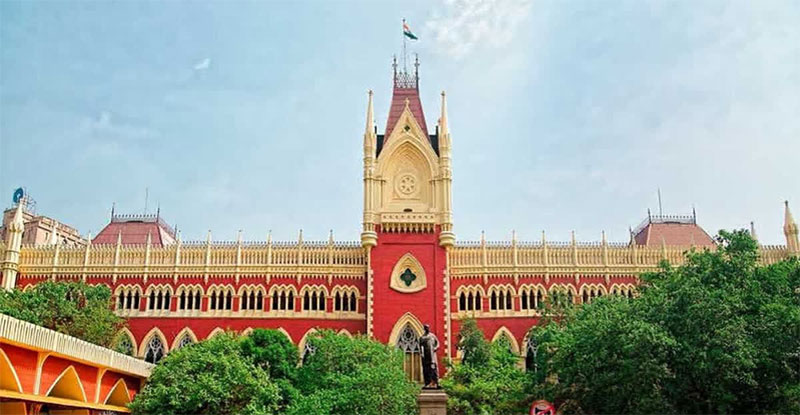
Key Highlights: Bengal SIR Breakthrough
- Bengal SIR Breakthrough officially began on February 21 after a high-level meeting led by the Chief Justice of the Calcutta High Court.
- The move followed the February 10 directive of the Supreme Court, making the intervention unprecedented.
- District Judges and former District Judges will now take final decisions in the SIR process.
- EROs, AEROs, micro-observers, and observers will assist, but judges will hold ultimate authority.
- The process starts from February 23 and will continue until March 9.
- Around 250 officials have been appointed, and the Chief Justice has final authority over appointments.
- All leaves across regular and special courts, including POCSO and CBI courts, have been cancelled.
- The final voter list will be published on February 28.
- Nearly 45 lakhs names with logical discrepancies will be released separately in additional lists.
- The Bengal SIR Breakthrough reduces the risk of political unrest after the voter list publication.
- The political blame game over SIR has largely ended, limiting scope for party-level advantage.
- Government officers have received relief from dual pressure between the Election Commission and the State Government.
- Voters now feel reassured that illegal name additions or forceful deletions under SIR will stop.
Bengal SIR Breakthrough Finally Happens on February 21
Bengal SIR breakthrough finally took place on February 21. On Saturday afternoon, a high-level meeting was held under the leadership of the Chief Justice of the Calcutta High Court. During the meeting, officials decided the next course of action.
Importantly, this meeting followed the February 20 order of the Supreme Court.
Several top officials attended the closed-door meeting. These included the Chief Electoral Officer (CEO), the Chief Secretary, the Home Secretary, the Director General of Police (DGP), the Advocate General of the state, the Additional Solicitor General of the Centre, and the Registrar General.
As a result, the deadlock over Bengal’s Special Intensive Revision (SIR) process may finally ease.
Is It A Rare Judicial Intervention?
The Supreme Court’s directive was unprecedented. However, what followed was equally unprecedented. Bengali pride appeared fractured and divided.
When the heads of two constitutional bodies shift responsibility and create unnecessary confusion, the judiciary must step in. Therefore, the court had to take charge of the situation.
Is the Judicial Role in West Bengal Administration Growing?
Meanwhile, many administrative decisions in West Bengal now knock on the doors of the judiciary.
For example,
- Courts often need to intervene even for meetings and rallies organized by Suvendu Adhikari.
- Similarly, the pending Dearness Allowance (DA) issue continues in the Supreme Court. Year after year, the matter moves from one hearing date to another without resolution.
- Furthermore, in recruitment scam cases, the West Bengal Police and CID failed to take strong action. As a result, litigants approached the Calcutta High Court and later the Supreme Court.
- Even administrative decisions regarding OBC reservations have faced judicial challenges.
Does Court Interventions Raise A Bigger Democratic Question?
Certainly, Bengal SIR breakthrough offers hope. However, a larger concern remains.
If every major administrative decision requires court intervention, it raises serious questions. Such a trend cannot be healthy for a democracy.
Therefore, while the SIR breakthrough signals progress, governance must function independently and responsibly. Otherwise, excessive judicial dependence may weaken democratic balance.
Why do Judges to Lead Bengal SIR Process from February 23?
For now, authorities will appoint several District Judges and former District Judges to oversee the SIR process. They will carry the main responsibility.
Meanwhile, EROs, AEROs, micro-observers, and observers will also remain involved. However, they will only assist. The final decision-making power will rest solely with the appointed judges. Panel of 7 retired HC justices formed.
The work will officially begin on February 23.
Training, Timeline, and Leave Cancellation
The Election Commission will likely conduct a one-day training session.
After that, the process will continue until March 9.
Importantly, authorities have cancelled all leaves. Officials who were already on leave have received instructions to report back to duty immediately.
Furthermore, this order applies not only to regular courts but also to other special courts. These include POCSO Courts, Special Courts, and CBI Courts. Leave has been cancelled across all these institutions.
At present, authorities have appointed around 250 individuals for this task.
How does Chief Justice Get Final Authority in Bengal SIR Breakthrough?
In this appointment process, the Chief Justice of the Calcutta High Court holds the final authority.
Earlier in the Supreme Court, one key point was emphasized. Only those officers with an impeccable track record should handle this sensitive responsibility.
What About Final Voter List and Pending Discrepancies?
The final voter list will be published on February 28.
However, nearly 45 lakhs names are still stuck due to logical discrepancies. Authorities will release these names separately, one list at a time.
Therefore, while the SIR process moves forward with judicial oversight, the coming days will remain crucial for resolving these pending discrepancies.
What Are the Key Outcomes?
The recent developments have produced several major outcomes.
1) Election Commission’s Vast Powers Curtailed
First, for perhaps the first time in India, the enormous powers of the Election Commission have faced direct scrutiny and limitation.
This marks a significant institutional shift.
2) Citizens Avoid Post-List Political Chaos
Second, after the publication of the final voter list, there was a strong possibility of politically fueled unrest.
However, ordinary citizens have now escaped that potential chaos. Judicial oversight has reduced the risk of instability.
3) End of Political Blame Game
Third, the political blame game has effectively stopped.
As a result, no political party can now extract direct advantage from the SIR issue. The space for political manipulation has narrowed.
4) Shift to Other Electoral Issues
Fourth, political discourse may now move beyond the SIR controversy.
Instead, other pressing issues could enter the voter arena. This may reshape the electoral narrative in the coming days.
5) Relief for Government Officers
Finally, government officers can breathe easier. Until now, they worked under intense pressure. On one side stood the Election Commission. On the other side stood the State Government.
Now, with judicial clarity in place, that double pressure has eased.
Therefore, beyond the immediate administrative changes, these outcomes may influence the broader political and democratic landscape.
What Does the Future Hold?
Only time will tell whether, even during elections, responsibilities will shift from the Election Commission to the courts.
That question remains open.
However, Bengal’s voters can now feel reassured. They at least believe that under the name of SIR, illegal inclusion of names or forceful deletion of names will finally stop.
Therefore, while uncertainty about future election management continues, voters have gained a sense of security regarding the integrity of the electoral roll process.
This reassurance may prove to be the most significant outcome of the entire SIR episode.
FAQ: Bengal SIR Breakthrough
What is the Bengal SIR Breakthrough?
The Bengal SIR Breakthrough refers to the recent judicial intervention that restructured the SIR process in West Bengal. Following the Supreme Court’s directive, the Calcutta High Court led a high-level meeting and placed District Judges in charge of final decisions.
Why did the court intervene in the SIR process?
The court stepped in after administrative confusion and a blame game between constitutional authorities created a deadlock. Therefore, the judiciary took responsibility to ensure transparency and accountability.
Who will now oversee the SIR process?
District Judges and former District Judges will oversee the process. While EROs, AEROs, micro-observers, and observers will assist, judges will hold the final decision-making authority.
When will the revised SIR process begin and end?
The work will begin on February 23 and continue until March 9. Meanwhile, the final voter list is scheduled for publication on February 28.
How many officials have been appointed for this process?
Approximately 250 officials have been appointed. Importantly, the Chief Justice holds the final authority in these appointments.
What happens to the 45 lakhs pending names?
Nearly 45 lakhs names remain stuck due to logical discrepancies. Authorities will release these names separately in additional lists after review.
Has this move reduced political tension?
Yes. The Bengal SIR Breakthrough has significantly reduced the risk of politically driven unrest after the voter list publication. It has also limited the scope for political advantage.
How does this impact voters?
Voters now feel reassured that illegal inclusion of names or forceful deletion under the SIR process will stop. As a result, public confidence in the electoral roll process has improved.