Micro Observers in SIR: Ultimate Safeguard for West Bengal
Dec 25, 2025 - By Ashutosh Roy Election AnalysisPoliticsWest Bengal Politics
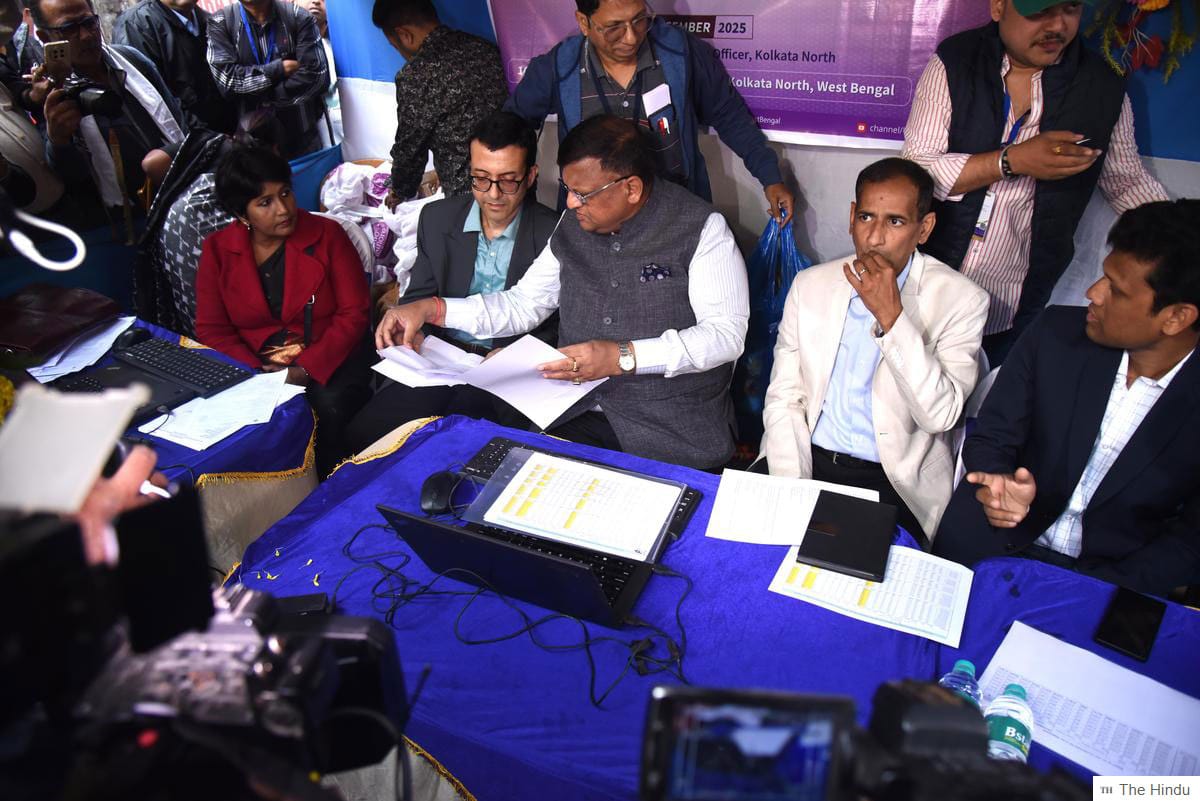
Special Intensive Revision of Electoral Rolls in West Bengal and deployment of Micro Observers
Why the Special Intensive Revision Matters in West Bengal
The Election Commission of India (ECI) conducts the Special Intensive Revision (SIR) of electoral rolls. As a result, the process ensures that voter lists remain accurate, inclusive, and free from duplication or other irregularities. Moreover, in West Bengal, elections are often closely contested. Therefore, the credibility of the electoral roll plays a central role in building public trust. Indeed, the decision to deploy Micro Observers is an outcome of that.
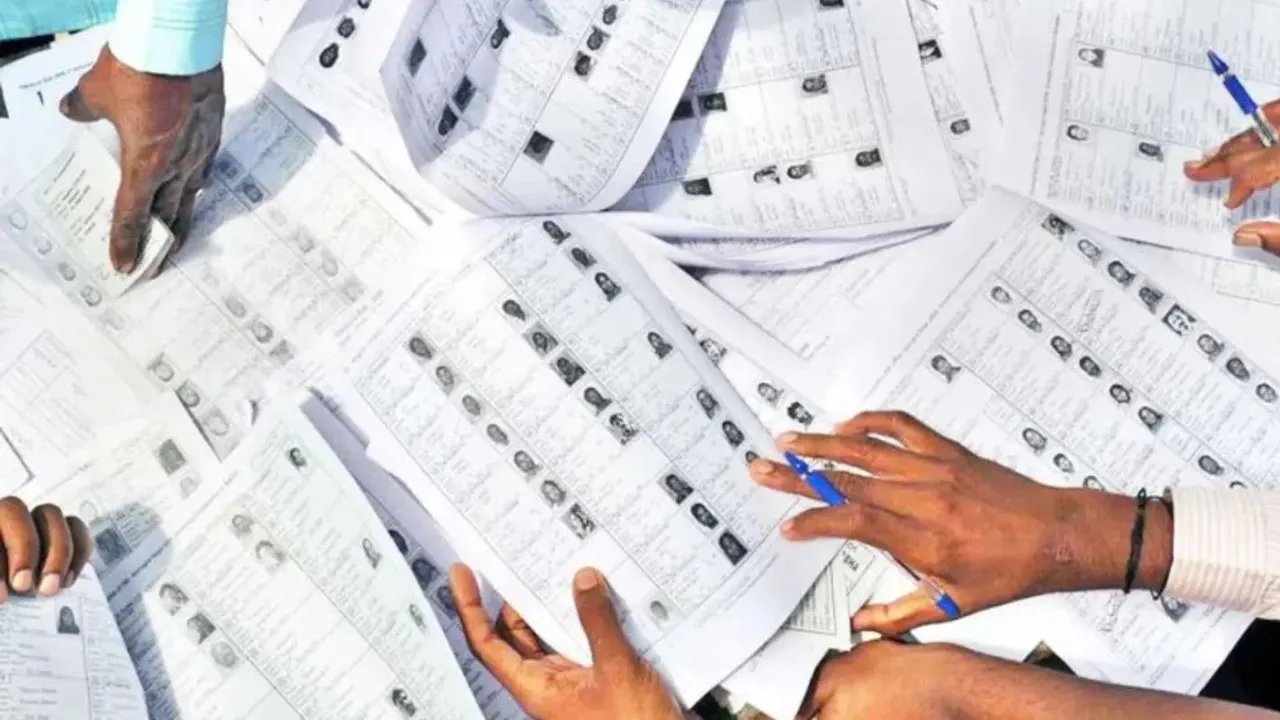
Image Courtesy: Newsonair
The SIR process involves house-to-house verification, correction of errors, deletion of duplicate or deceased voters’ names, and inclusion of eligible citizens who may have been left out earlier. This also involves the process of eliminating of permanently shifted voters. This revision is particularly important in areas with high population mobility, urban migration, and border districts of West Bengal.
Current Status of the Special Intensive Revision in West Bengal
As per the Election Commission’s ongoing assessment, the SIR in West Bengal is progressing across districts with the involvement of Booth Level Officers (BLOs) and supervisory officials. Hence, Officials are giving special attention to urban pockets, minority-dominated areas, and border regions. This is because allegations of electoral discrepancies have surfaced in these areas during previous elections. Thus, West Bengal Voter Revision is a seemingly complicated job, the political leaders often raise hue and cry.
Nevertheless, the Commission has reiterated that the exercise is routine and constitutional, not politically motivated. However, Election Commission is encouraging citizens to verify their names through official portals. Meanwhile, they are asking voters to submit claims or objections within the stipulated timeline.
Decision to Deploy Micro Observers: What It Means
Image Courtesy: Press Release: Press Information Bureau
Though unsaid, but a significant development in this revision process is the decision to appoint Micro Observers. Nonetheless, Micro Observers work as independent officials, often drawn from central government services or public sector undertakings. In Addition, they report directly to Election Observers.
Their role includes:
- Monitoring the conduct of electoral roll revision at the booth level
- Ensuring BLOs follow prescribed guidelines
- Preventing arbitrary deletion or selective inclusion of voters
- Providing real-time feedback to the Election Commission
The deployment of Micro Observers in sensitive or disputed areas strengthens institutional oversight. It thus addresses concerns raised by political parties and civil society.
Indian Express reports reveal that each constituency will have at least 11 hearing tables. One ERO, One AERO and One Micro-Observer will be assigned to each of them. That means the requirement is of minimum 3234. However, The Election Commission has deployed more than 4000 micro observers in the state.
Implications for Electoral Integrity through Micro Observers
Indeed, the combination of Special Intensive Revision and Micro Observer oversight sends a clear signal about the Election Commission’s intent to uphold free and fair elections. While political debates around voter list revisions are inevitable, transparency mechanisms reduce scope for misinformation and mistrust. But, West Bengal voter list revision has erupted political slugfests.

Courtesy: The Indian Express
For voters, this is an opportunity to actively engage with the democratic process by verifying their details and ensuring their right to vote remains protected.
[…] transparent and fair by appointing trained observers and closely monitoring hearings. Despite the Micro-observers and ERO Conflicts, the demand of the voters is very simple yet subtle. The voter list should not […]
[…] the Election Commission appointed Micro Observers to monitor the process. Moreover, the Election Commission clearly stated that BLAs do not have […]