Press Freedom in the new Digital Age
Oct 18, 2025 - By Ashutosh Roy Governance & AdminNational PoliticsPoliticsSocial IssuesWest Bengal Politics

Press Freedom: A Contemporary Echo of Historical Suppression
Though India has uplifted its rank in the Press Freedom Index from 159 to 151; the freedom of press has been under constant criticism in the state of West Bengal. Critics allege that the continuous harassment is an attempt to stifle dissent and freedom of expression.
The regime of Mamata Banerjee is hardly reluctant to voice of descent, so the press freedom remains only in black and white.
Allegations of State-Sponsored Harassment
The list is not only limited to your tubers and bloggers; it even includes some TV channel reporters and print media journalists also. Now, let’s look at the broader spectrum. The administration has allegedly tried to harass some family members to silence their voices.
The state has actively pursued targeted persecution against Sharmishta Panoli, Roddur Roy, Shibam Das, Rojina Rahaman, Shafiqul Islam, Manab Guha, Madhyom News, Tuhin Mondal, Sanmoy Bandyopadhyay, Sumon Chattopadhyay, Santu Pan of Republic Bangla, and Sumon De of ABP Ananda.
This is just in reminiscent of the dark emergency period. It is even alleged that the police had haunted some leading news anchor’s house at midnight. The assertions are not only for defamation, misinformation, and creating derogatory content aimed at state officials; but police have filed cases even in the charges of violence and molestation under section 75.

Image Courtesy: Prokerala
A number of YouTubers and social media influencers have faced legal action or official scrutiny from the Government of West Bengal in recent years; primarily for aiming their guns at the chief minister Mamata Banerjee.
Such drastic actions have increased in the recent years by leaps and bounds; perhaps reminding us about the ensuing threats of the upcoming Assembly elections of 2026.
Historical Contradictions of Press Freedom in India
India could never position itself in the high esteem when the press freedom comes into the fore. Even if we exclude the darkest period of emergency of Indira Gandhi’s regime, the intent to restrain critics against the rules had remained vibrant.
K. Shankar Pillai, the father of Indian political cartooning, had to resign from his job in 1946, due to conflict with its editor, Devdas Gandhi, arose from Shankar’s lampooning of C. Rajagopalachari, a prominent Congress leader.
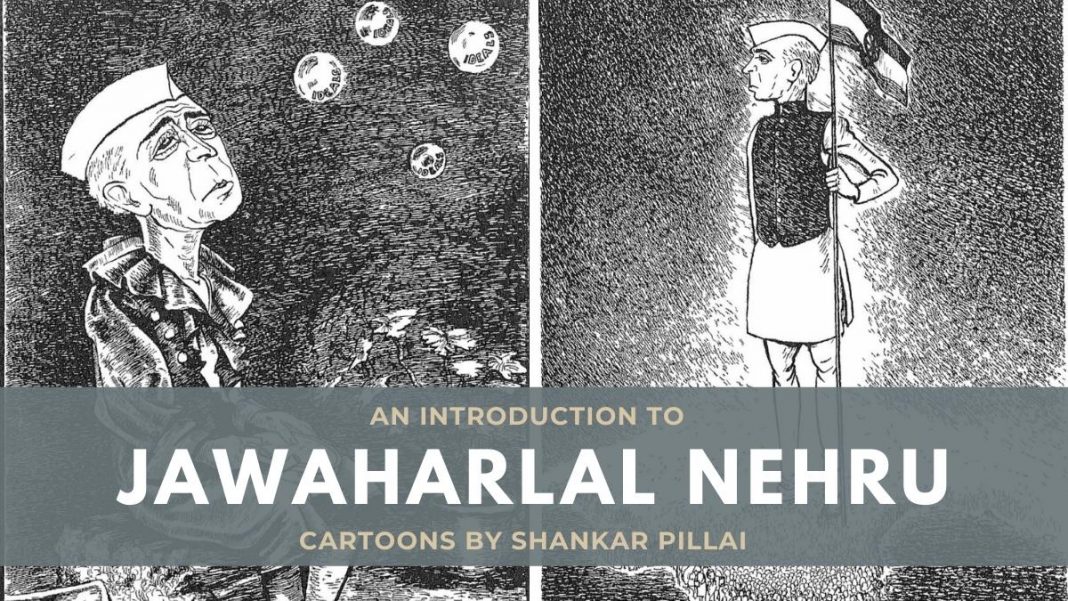
Image Courtesy: The Heritage Lab
Shankar became famous for his political satire and Nehru once famously told Shankar, “Don’t spare me, Shankar”. Paradoxically, Following initial newspaper reports in The Statesman, the government attempted to downplay and conceal the facts of the deal, infamous as the Mundhra scandal, the first financial scam in independent India.
Nehru’s government passed the First Amendment to the Constitution to impose “reasonable restrictions” on free speech and expression. The same Nehru rejected the proposal of “secret session” from the oppositions during Indo-China war, stating that the public had a right to know the proceedings of the house.
So, the contradiction in case of press freedom has been prevailing since the beginning.
The Enduring Legacy of an Independent Press
However, we can hardly forget the role of press in the pre-independence tenure. These newspapers played a crucial role in shaping public opinion and mobilizing people.
Notable examples include Kesari and Maharatta edited by Bal Gangadhar Tilak, The Hindu and Swadesamitran by G.S. Aiyar, and Amrita Bazar Patrika, which gained prominence by criticizing British policies. Mahatma Gandhi’s publications like Harijan and Young India were also very influential.
Indian Express, Led by Ramnath Goenka, stands out prominently. Its fearless reporting during and immediately after the Emergency period (1975–1977) cemented its legacy as a defender of free speech and journalism. The famous medias like The Wire, The Indian Express, The Hindu, and The Telegraph has heralded a new era of independent journalism in India.
Press Freedom is a continuous challenge
While carrying such a legacy, the attempt to putting curbs on the media and trying to muzzle freedom of the press is a biggest threat to democracy and exhibits the rulers’ agonies
[…] reality, one can engage in many serious debates about the freedom of newspapers and journalists. However, it is extremely difficult to deny the ground […]
[…]Press Freedom in the new Digital Age Explore the evolution of press freedom in the digital age. Analyze how technology, digital surveillance, and new regulations impact journalism and free speech.[…]
[…]Press Freedom in the new Digital Age Explore the evolution of press freedom in the digital age. Analyze how technology, digital surveillance, and new regulations impact journalism and free speech.[…]
[…]Press Freedom in the new Digital Age Explore the evolution of press freedom in the digital age. Analyze how technology, digital surveillance, and new regulations impact journalism and free speech.[…]