Ironclad Aim: Free and Fair Bengal Poll
Mar 11, 2026 - By Ashutosh Roy Current AffairsElection AnalysisPoliticsRegional UpdatesWest Bengal Politics
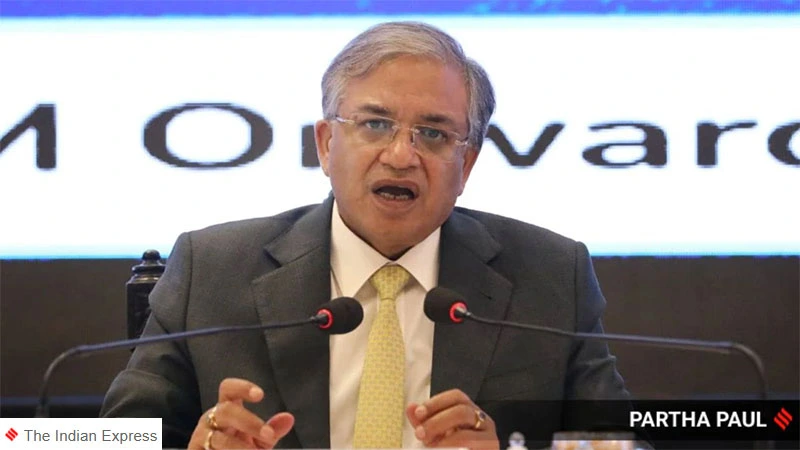
Is Free and Fair Bengal Poll possible
The demand for a free and fair Bengal Poll has once again come to the center of national debate. This time, the push appears unusually strong. Gyanesh Kumar, the current Chief Election Commissioner, has set a bold tone before the upcoming West Bengal Assembly Election 2026.
His approach is simple but powerful: absolute accountability from every administrative officer involved in the electoral process.
However, the move has also triggered sharp political reactions. Critics question its practicality, while supporters see it as a historic attempt to restore electoral integrity in the state.
Let us examine the issue in detail.
Why Is the Bengal Poll Under Such Intense Scrutiny?
West Bengal has witnessed repeated allegations of poll violence and irregularities in recent years. The controversies surrounding the 2021 West Bengal Legislative Assembly election and the 2024 Indian general election still dominate political discussions.
Moreover, several issues frequently appear in election reports:
- Booth capture and intimidation
- Allegations of false voting
- Voter list irregularities
- Political clashes and bloodshed
Because of this history, the Election Commission now faces immense pressure to guarantee transparency.
Therefore, the recent actions by the CEC are not accidental. Hence, they appear to be part of a larger strategy to tighten administrative accountability.
What Is Gyanesh Kumar’s “Ironclad Assurance” Strategy?
Reports suggest that Gyanesh Kumar has demanded personal assurances from every District Magistrate (DM) and Superintendent of Police (SP) in West Bengal also.
At first glance, this demand looks nearly impossible.
After all, the election machinery includes thousands of officials:
- Chief Secretary (CS)
- Director General of Police (DGP)
- District Magistrates (DMs)
- Superintendents of Police (SPs)
- Officers-in-Charge (OCs) and Inspectors-in-Charge (ICs)
- Thousands of polling officers
Despite this logistical complexity, the demand carries a deeper message.
The Real Purpose Behind the Demand
The assurance is not merely symbolic.
Instead, it creates a paper trail of responsibility.
Thus, if misconduct occurs, the Election Commission can directly identify the responsible officer.
Therefore, the strategy serves three purposes:
- Establish personal accountability
- Send a strong warning against misconduct
- Create documented evidence for future action
In short, the move sets an extremely high bar for administrative neutrality.
High Pressure on Bengal Election Officers
The Chief Election Commissioner’s warning has put unprecedented pressure on electoral officers. Whether they are WBCS, IAS, or IPS officials, these individuals are now caught between two powerful sides: the West Bengal Government and the Election Commission.
Consequently, the stress on these officers continues to grow. Chief Minister Mamata Banerjee is determined to win Bengal for a fourth consecutive term. To achieve this, she has been constantly violating the Election Commission’s rules.
Meanwhile, Commissioner Gyanesh Kumar and the Election Commission have tightened their control. They have already begun taking strict actions against any lapses.
Ultimately, these officers are being extremely careful because nobody wants a permanent stain on their professional career.
Is Such a Demand Practical?
In practice: extremely difficult.
Coordinating the actions of thousands of officers during elections is one of the most complex governance operations in India.
No Chief Election Commissioner can personally control every local official in reality.
In principle: absolutely necessary.
Even if perfect enforcement is impossible, the demand itself reshapes expectations.
It signals:
- Zero tolerance for violence
- Strict monitoring of officials
- Post-election accountability
Therefore, the demand may not guarantee perfection. But it changes the administrative mindset.
Why Could This Move Trigger Political Reactions?
Political tensions in West Bengal remain intense traditionally.
In Addition, Chief Minister Mamata Banerjee has often criticized central institutions in the past. If the Election Commission directly questions state officials, political friction could rise again.
Some observers expect that she may accuse the Commission of hurling at “her officers.”
However, supporters of the move argue that electoral neutrality must override political sensitivities.
Interestingly, some analysts compare Gyanesh Kumar’s assertiveness with the legendary former CEC T. N. Seshan, who famously transformed the authority of the Election Commission of India in the 1990s.
Is Bengal’s Administrative Nexus the Real Problem?
For years, critics have alleged the existence of a politics–administration nexus in West Bengal.
According to these allegations:
- Some officials remain politically influenced
- Police neutrality becomes questionable
- Administrative decisions may favor ruling party cadres
While such claims remain politically contested, many observers believe that weak administrative performance has contributed to electoral violence.
Common allegations include:
- Ignoring booth intimidation
- Delayed police intervention
- Allowing organized fake voting
If these claims hold even partially true, then the CEC’s strategy directly targets the root cause.
What Role Does the Voter List Controversy Play?
Another major issue is the voter list revision process.
Opposition groups claim that the ruling party All India Trinamool Congress has resisted special revision efforts.
Critics allege the voter rolls may include:
- Names of deceased voters
- Permanently migrated voters
- Duplicate registrations
Such entries could potentially enable proxy voting.
The Special Intensive Revision (SIR) process therefore became a political flashpoint.
However, the legal battle has complicated the situation.
How Did the Supreme Court Change the Situation?
The Supreme Court of India recently directed the formation of appellate tribunals headed by former High Court judges to hear appeals against voter exclusions.
The case involved prominent lawyers such as:
- Menaka Guruswamy
- Kalyan Banerjee
- Gopal Sankaranarayanan
This decision has dramatically expanded the timeline for resolving disputed voter entries.
Consequently, the voter list settlement process could take a very long time.
Could This Delay Affect the 2026 Bengal Election?
Yes, the delay may have major consequences.
If voter list disputes remain unresolved, several scenarios could emerge:
- Postponement of election schedules
- Legal disputes over voter eligibility
- Administrative complications
In extreme situations, some observers even speculate about the possibility of invoking Article 356 of the Constitution of India.
However, such an outcome remains purely speculative at this stage.
Why Does the Election Commission Now Sound More Aggressive?
The full bench of the Election Commission recently visited Kolkata on 9–10 March and held a series of meetings with senior officials.
These meetings suggest that the Commission came fully prepared.
The agenda reportedly included:
- Reviewing law and order readiness
- Examining voter list revisions
- Identifying officers linked to past poll violence
Reports also indicate that the CEC has asked the state DGP to submit details of officers allegedly involved in election violence in 2021 and 2024.
If true, this marks an unusually strict approach.
Moreover, the Commission has warned officials that post-election action is possible.
This means officers cannot assume that their responsibility ends once polling day is over.
Can Bengal Conduct Peaceful Elections Like UP and Bihar?
Interestingly, states such as Uttar Pradesh and Bihar were once infamous for electoral violence.
Yet today, elections in these states are generally considered far more controlled.
Therefore, the obvious question arises: If UP and Bihar can improve their electoral systems, why can’t West Bengal?
Many analysts believe that administrative discipline and political will made the difference.
What Should Bengal Voters Expect in the Coming Days?
Election Commission officials have now returned to New Delhi after their visit.
The next three to four days could prove crucial.
Possible developments include:
- New directives for state officials
- Legal updates on voter list disputes
- Announcements regarding election schedules
Until then, uncertainty continues.
The Bottom Line
The demand for an “ironclad” free and fair Bengal poll may sound ambitious. Some may even call it unrealistic.
Yet the principle behind it is undeniable.
Democracy survives only when voters trust the ballot.
Whether through administrative reform, strict monitoring, or legal intervention, West Bengal must restore confidence in its electoral process.
The coming weeks will reveal whether this bold push by the Election Commission can truly change the ground reality.
One thing, however, remains certain.
India’s democracy deserves nothing less than a genuinely free and fair Bengal poll.
Key Takeaways
- CEC Gyanesh Kumar has demanded personal assurances from administrative officers.
- The move aims to create direct accountability for election misconduct.
- Voter list disputes and court rulings have complicated the electoral timeline.
- Political tensions between the state government and the Election Commission remain high.
- The timing of the 2026 Bengal Assembly election may become uncertain.
People Also Ask (PAA)
1. Why is the Election Commission focusing so strongly on West Bengal polls?
The Election Commission of India is focusing on West Bengal because past elections in the state have witnessed allegations of violence, intimidation, and voter list irregularities. Ensuring a peaceful and transparent poll has therefore become a major priority before the West Bengal Assembly Election 2026.
2. What is the “ironclad assurance” strategy of Gyanesh Kumar?
Chief Election Commissioner Gyanesh Kumar has reportedly sought personal assurances from District Magistrates and Superintendents of Police that they will ensure free and fair polling. This move creates a direct accountability trail so that officials can be held responsible if violations occur.
3. Why are personal assurances from DM and SP important during elections?
District Magistrates and Superintendents of Police control the local administrative and law-and-order machinery. Their commitment directly affects the fairness of polling. By demanding written assurances, the Election Commission increases accountability at the district level.
4. Has West Bengal faced election violence in the past?
Yes. Political clashes and allegations of violence were widely reported during the 2021 West Bengal Legislative Assembly election and the 2024 Indian general election. These incidents have raised concerns about the safety and neutrality of the electoral process.
5. Why is the voter list revision in West Bengal controversial?
Opposition parties allege that voter rolls may contain names of deceased or migrated voters. The Special Intensive Revision (SIR) process aims to correct such entries. However, political parties including All India Trinamool Congress have questioned aspects of the revision process, leading to legal disputes.
6. What role did the Supreme Court play in the voter list dispute?
The Supreme Court of India directed that appeals against voter exclusions should be heard by tribunals headed by former High Court judges. This decision allows voters to challenge exclusions but may also extend the timeline for finalizing electoral rolls.
7. Could delays in voter list settlement affect the 2026 Bengal election?
Yes. If large numbers of voter cases remain under adjudication, election preparation may slow down. In extreme scenarios, legal complications could influence the timing of the West Bengal Assembly Election 2026.
8. Why are comparisons being made with T. N. Seshan?
Former Chief Election Commissioner T. N. Seshan was known for strengthening the authority of the Election Commission and enforcing strict election rules. Some observers believe that Gyanesh Kumar’s tough stance resembles Seshan’s reformist approach.
9. Can West Bengal conduct peaceful elections like Uttar Pradesh and Bihar?
States such as Uttar Pradesh and Bihar were once known for electoral violence. However, strict administrative measures and strong monitoring have improved polling conditions. Analysts argue that similar reforms could also work in West Bengal.
10. Why is a free and fair Bengal poll so important for Indian democracy?
West Bengal is one of India’s largest and politically significant states. Ensuring transparent elections strengthens public trust in democratic institutions and reinforces the credibility of the Election Commission of India.