Unlock the amazing Ayurveda Therapy
Oct 28, 2025 - By Ashutosh Roy Culture & HeritageHealthMental WellnessNutrition & Fitness
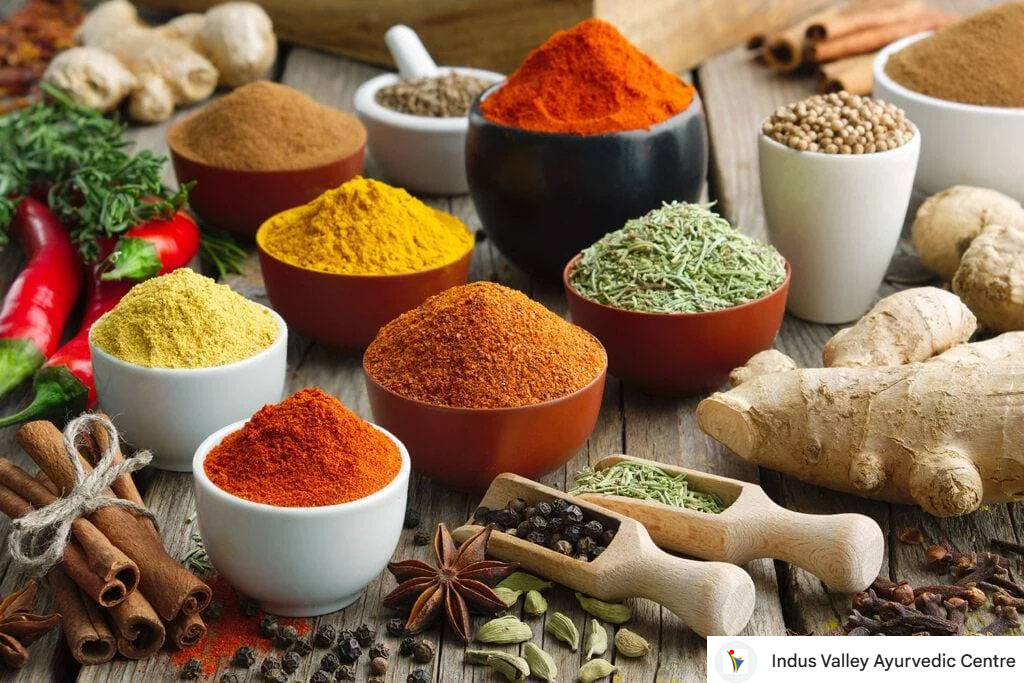
Ramayana and Ayurveda Therapy
The royal physician, Sushena, asked Hanuman to bring the Vishalyakarani, the “arrow remover” herb to save Lakshmana’s life. So, the Ramayana epic, illustrates the evidence of the magical power of Ayurveda therapy.
Had there been a Ayurveda Medicine Store nearby, Hanuman didn’t have to work so hard. Ayurveda therapy is an ancient Indian medical system that means “the science of life”. Today Ayurveda Medicine has registered its name as alternative medicine system in various parts of the world.
Ayurveda therapy in India and Qigong in China has been the historical medicine systems, when most of the other civilizations were in their infancy.
Ayurveda, Notably is a holistic approach to health, which does not isolate the body from the mind. In fact, the core focus of Ayurveda treatment lies in balancing the mind, body, and spirit. The three forces: Vata, Pitta, and Kapha determines the dosha of an individual, which remains unique for every human being.
The traditional Ayurveda Therapy
The Ayurveda system believes that the dosha (constitution) and its relationship with the environment varies between individual. So, Ayurveda believes in tailor-made treatment for every individual.
A person falls in diseases, when imbalances occur in the Vata, Pitta, and Kapha. As a result, it primarily focuses on thwarting the cause of imbalance or reducing it.
On the Contrast of the conventional medicine system, Ayurveda treatment clearly emphasizes on prevention. Consequently, the idea is to prevent illness, heal the sick, and preserve life through proactive measures.
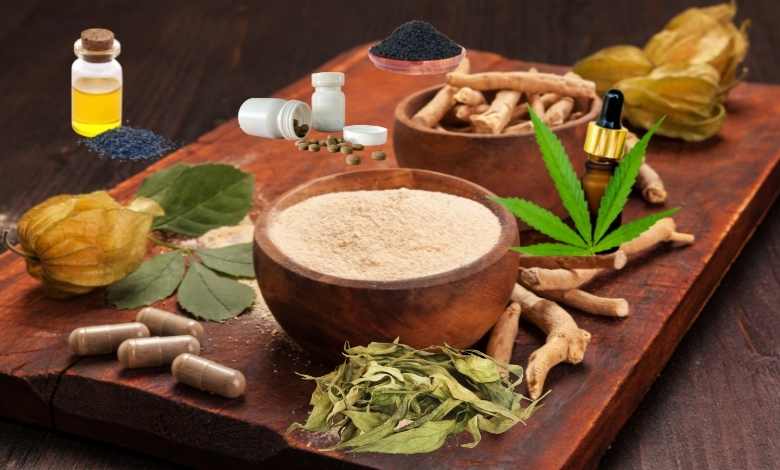
Ayurveda Therapy and Ayurveda Medicine as Alternative Medicine
While considering individual’s dosha as the prime factor for Ayurveda, it offers specific dietary guidelines. Ayurveda Therapy highly emphasizes on the interconnection between the body and the environment; Ayurveda harps on daily and seasonal guidelines for an alignment with natural rhythms and cosmic changes.
As cited in Ramayana, Ayurveda treatment focuses on Ayurveda Medicine, which are derived directly from plants and herbs. As per its holistic treatment methodology, the therapies include massage, meditation, breathing exercises besides the normal medicines. Ayurveda prioritizes on Detoxification to cleanse the body by various traditional ways.
WHO and Ayurveda therapy
The World Health Organization (WHO) has been developing international standard terminologies to help integrate Ayurveda into global health systems since 1978. In Western countries, Ayurveda is classified as a complementary and alternative medicine (CAM) system alongside conventional treatments.
India, being its sanctum, has given it a wider spectrum by a traditional and formal medical system. India has initiated its own schools, clinics, and hospitals so that a majority of the population can use.
Indeed, people in desperation of alternative medicines have been leaning towards Ayurveda medicine; and WHO has also recognized the importance of Ayurveda, but strict adherence to quality and standardization is essential.
Conclusion
Let’s be proud of our tradition. Ayurveda therapy had flourished at a time, when many other civilizations were still in their infancies. As health is concerned we should be highly cautious and pragmatic.
Many people, particularly in India, struggle with chronic conditions like acidity, heart issues, obesity, and diabetes. A common concern is that their health status remains unchanged, or even worsens, despite increases in medication dosage or potency. For example, a patient relying on laxatives often finds they must continually increase the quantity over time.
Furthermore, prolonged use of conventional medicines can lead to side-effects. Patients often report being victims of these effects; strong antacids, for instance, sometimes result to weakened bones.
For individuals seeking a new approach, Ayurveda therapy may be a potential alternative. Since the core components of Ayurvedic medicine are typically herbs, proponents claim these treatments have minimal side-effects. (It is important to note that all claims of this nature are subject to authenticity.)
Given the global trend toward alternative medicine, many Indians are exploring Ayurveda. However, for serious illnesses or emergencies, conventional (allopathic) treatment should certainly be the primary choice.
Disclaimer:
We are neither medical professionals nor do we advocate for any particular therapy. Treatment choices are personal. We strongly recommend you consult your physician before altering any treatment methodology
[…] a significant part of alternative medicine today. As an Indian, it is a matter of pride that Ayurveda, another ancient therapy, has also spread across the world. However, Qigong Breathing exercises is […]