GST: An amazing rotation for shining India
Oct 17, 2025 - By Ashutosh Roy GovernanceNational NewsNational PoliticsPolitics
The Evolution and Impact of GST in Shining India
The flagship tax revolution is the implementation of Goods and Services Tax (GST) in India on July 1, 2017; in the regime of First term of Narendra Modi’s tenure. It’s an indispensable component of shining India.
Nevertheless, Rome was not built in a day. GST has also crossed several phases before the formal launch. Initially, the former Prime Minister Atal Bihari Vajpayee conceptualized the idea of a nationwide Goods and Services Tax in 2000. He set up a committee, led by Asim Dasgupta, to design a suitable GST model for India.
Subsequently, in the realm of the former Prime Minister, Dr. Monmohan singh, the-then Finance Minister, P. Chidambaram announced the implementation of GST in his 2006–07 budget speech by April 1, 2010.
Finally, the credit goes to Arun Jaitley. Thus, as Finance Minister under the Narendra Modi government, he played a crucial role in steering the GST Bill through Parliament; which culminated in its successful implementation on July 1, 2017.
One India, One Tax
Furthermore, the slogan “One India, One Tax”, targeted at creating a common national market and streamlining the tax structure. The GST also replaced multiple, complex central and state indirect taxes with a single, unified tax system. The pan India tax system attempted to replace numerous taxes; such as Value-Added Tax (VAT), Central Excise Duty, Service Tax, and various state-level levies.
The GST eliminated the issue of “tax on tax,” also known as the cascading effect.
Furthermore, The implementation of the taxes in various stages are not worrisome anymore. To illustrate, One gets a credit for paid taxes in the form of Input Tax. Ultimately, the end user or the consumers get a better deal, which is essential in today’s competitive world.
The global market and the liberal economy have made the competition steep; but with simplification of tax system has enabled the Indian players to remain as the pivotal players.
Unlike the previous origin-based tax system, GST is levied at the point of consumption, so that the consumer state earns the benefit. A salient aspect of Goods and Services Taxis that it’s a highly democratic process that decides the rates and its functionalities.
The GST Council, composed of central and state finance ministers, has demonstrated a strong spirit of cooperative federalism by largely reaching decisions through consensus. Its such a democratic system that even a solidary objection has to be shown due diligence.
For obvious reasons, the GST law is dynamic and undergoes frequent reviews and updates based on economic needs and feedback from stakeholders. The initial teething problems had deterred some business houses; but they have accepted and acclaimed slowly and inevitably.
GST 2.0: A New turn to Shining India
The new GST structure, an integral part of shining India, launched on September 22 can be called as a revolutionary change. It has not only simplified the tax structure but has reduced the burden of the consumers in several areas. Such reforms aim to lower taxes on essential items, boost affordability, and streamline compliance.
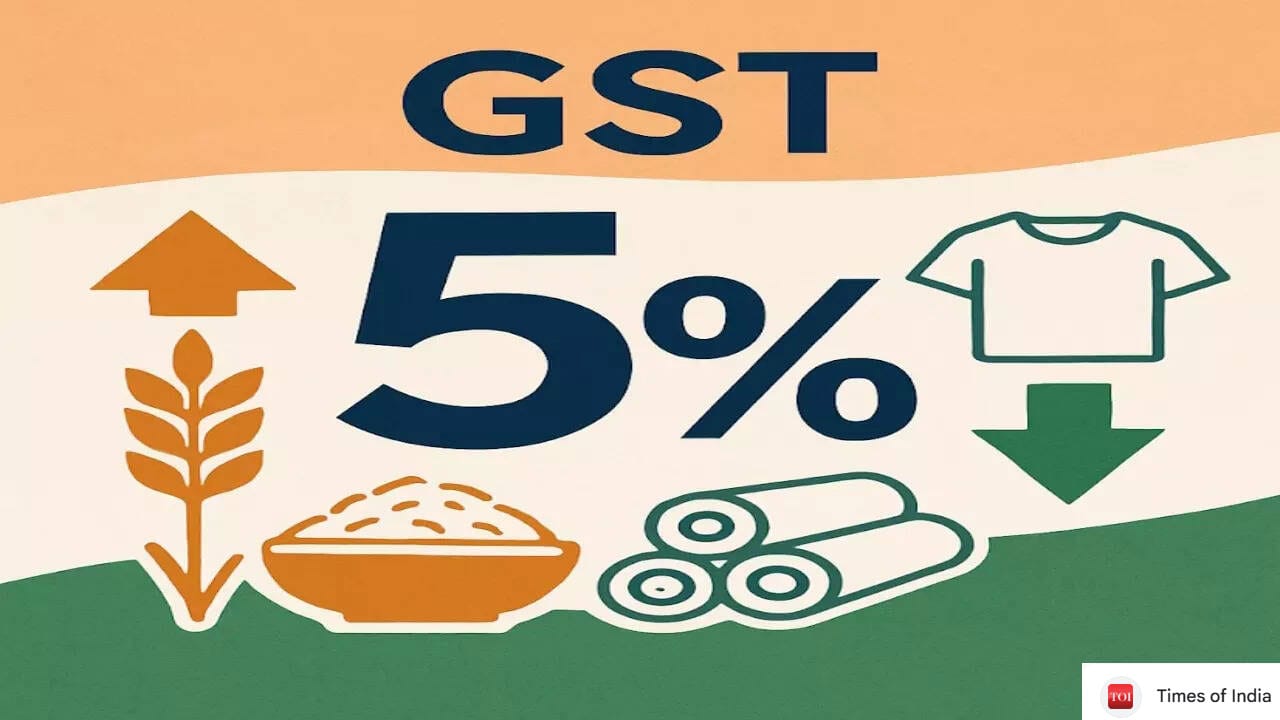
Just imagine, there are only two slabs of the tax structure, a 5% “merit” rate for essential items and a standard 18% rate for most other goods and services.
As the WHO and world enchants voices against tobacco, can shining India leave far behind?
The “sin” goods like tobacco, pan masala faced a penal introduction of higher 40% rate. The 40% rate has been also levied for luxury like high-end vehicles to balance the economy of the country.
People have been concerned about the GST for Life Insurance, Mediclaim etc. The GST Council has shown due diligence and waved the GST completely from UHT milk, pre-packaged paneer, roti, pizza bread, khakhra, individual health and life insurance, and certain essential school supplies like pencils and erasers.
The Goods and Services Tax has been sliced down to 5% on Daily essentials, packaged food, dairy products, medical supplies, and personal care items.
So, a child can consume more chocolates and the fashion-conscious woman can use more shampoo or her preferred soap at a lesser budget. Its high time to replace one’s old AC, TV, or washing machines. Even the middle class can afford to small cars or motor cycle at a cheaper rate.
There are certain Compliance and procedural updates have been implemented, but only the business houses need to be concerned about that.
Knowledge Mart Snippet
So, GST 2.0 aims at empowering the consumers with a sustainable increase in purchasing power and drive economic growth with the rolling capital in the market. It’s a revolutionary step towards shining, stronger, and more cohesive India.
[…]GST: An amazing rotation for shining India Explore how GST transformed India into “One Nation, One Tax.” Learn about the revolutionary impact of this tax reform on the economy, businesses, and consumers.[…]