Micro-observers and ERO conflicts: Insider
Dec 27, 2025 - By Ashutosh Roy Current AffairsElection AnalysisPoliticsWest Bengal Politics
Special Intensive Revision (SIR) with probable micro-observers and ERO conflicts
The Special Intensive Revision (SIR) has launched the Special Intensive Revision (SIR) in West Bengal. This exercise updates the voter list ahead of the 2026 Assembly elections. Moreover, the process aims to correct errors, remove duplicate entries, and include eligible voters. As a result, the ECI wants to ensure a transparent and accurate electoral roll before the polls. The appointment of Micro-observers has erupted political rows and also Micro-Observers and ERO conflicts.
The SIR Process also includes hearings on claims and objections where voters with discrepancies have to present documents and get verified. Thus, West Bengal is entering into the 2nd phase of this SIR from 27th December.
Role of EROs
- Eventually, EROs and Assistant EROs (AEROs) are responsible for conducting the hearing sessions in each assembly constituency. However, They are to report to the District Magistrates of the concerned districts. Hence, The EROs and SEROs have got a pivotal role to play in the actual verification of claims and objections. Indeed, they are to act upon them. As a result, the interference of Micro-Observers have raised the micro-observers and ERO conflicts
- The ECI has also insisted that hearings must be conducted by EROs of SDO (Sub-Divisional Officer) rank or higher, not lower-ranked officials. This has become another point of contention with the state.
Role of Micro-Observers in SIR
Courtesy: The Federal
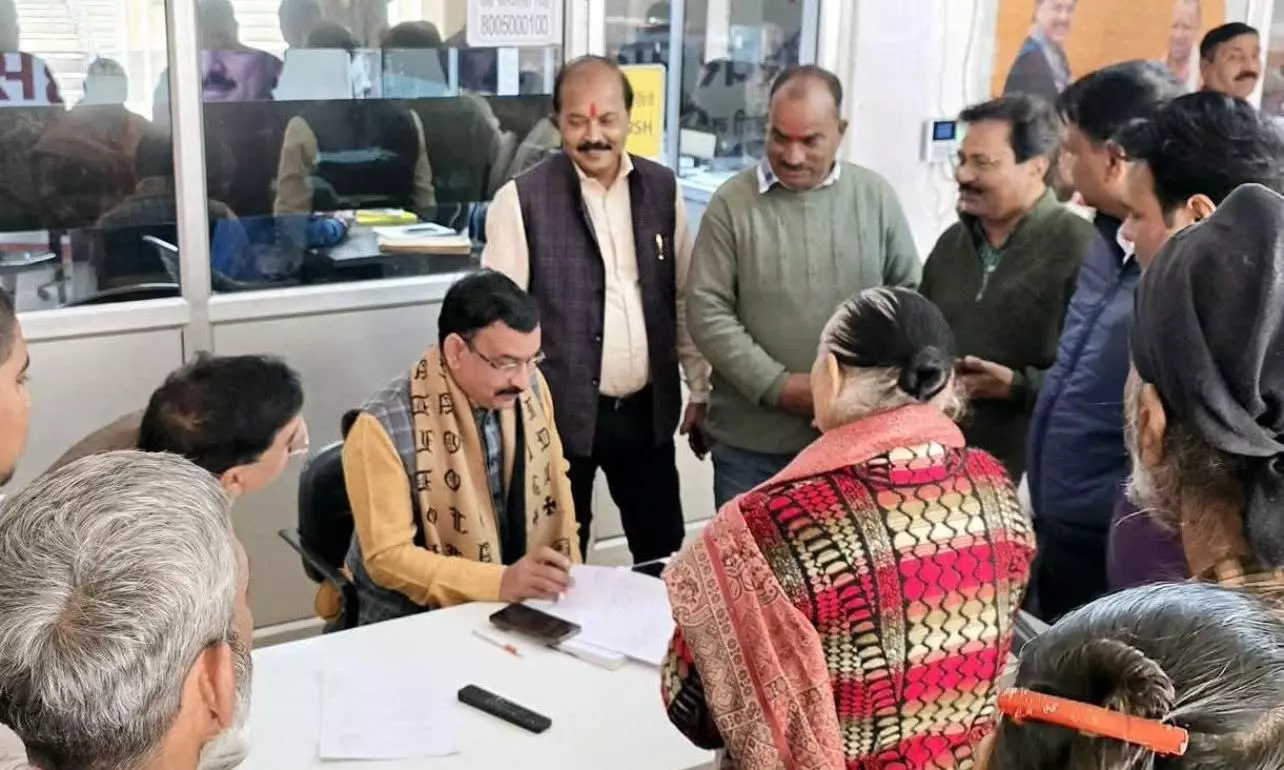
- Initially, the ECI has appointed around 4,600 micro-observers. EC has conducted their training of micro-observers also. Nevertheless, they are the central government officers Group B and above, from central departments or PSUs or banks. Consequently, they are not reporting to the State Government. So, they are not to face any vindictive or punitive action from the State Government, even if they do not abide by the Government’s direction. Nonetheless, their job is to oversee the hearings in every constituency and hearing table
- Accordingly, their job is to monitor and report how hearings are conducted. They are to verify documents and have to earmark discrepancies in electoral rolls also. So, they are to record any deviations from procedure or any nonconforming illegal/ illicit jobs done by officials like EROs, AEROs. Moreover, The appointments of these EROs, AEROs are from the state level officers. Hence, most of them are from WBCS categories.
- In essence, ECI has strictly instructed the Micro-observers to report directly up the chain. They will report to the Chief Electoral Officer and special roll observers appointed by ECI, earlier. Thus, they are not to report to the local district magistrates or officers.
Reasons for micro-observers and ERO conflicts
Monitoring vs Authority
The Election Commission has empowered the Micro-observers to watch and check the work of EROs. However, some EROs feel that this increases pressure on them and limits their authority during hearings. So, they feel it as an intervention in their jurisdiction. While EROs conduct the process, micro-observers monitor every step, leading to tension between the two. This difference in roles has created friction during SIR.
Direct Reporting
Micro-observers report directly to the Election Commission through special observers or CEO instead of local officers or district administration. As a result, EROs feel less control over how monitoring feedback impacts their work.
Political Tension: Root cause of micro-observers and ERO conflicts
Political leaders in the state have raised concerns about how micro-observers were selected and deployed. Following this, the Chief Minister has clearly raised her concerns and even asked the booth level agents to trace their names and residences. As a result, such demand has been increasing the political dimension of this conflict. Some local leaders allege bias, further intensifying disputes in the public sphere.
Official Hierarchy and Reporting Channel
While the Booth Level Officers, EROs, AEROs are state Government employees, the micro-observers are from the central cadre.

Image Courtesy: CEO West Bengal Twitter Account
Demands of voters despite micro-observers and ERO conflicts
However, the Election Commission continues to take strong measures to make theSIR process transparent and fair by appointing trained observers and closely monitoring hearings. Despite the Micro-observers and ERO Conflicts, the demand of the voters is very simple yet subtle. The voter list should not contain even a single illegal voter and also must not exclude any eligible voter.
So, the demand of any sensible citizen is simple: a fair, transparent, error-free voter list – nothing more, nothing less.
Most Important FAQ
Where can the Voters of West Bengal check their names in the draft list?
Voters can check the eligibility of their names in various ways
[…]Micro-observers and ERO conflicts: Insider Stay informed on micro-observers and ERO conflicts during West Bengal’s Special Intensive Revision (SIR) of electoral rolls and the impact on the voter lists.[…]
[…]Micro-observers and ERO conflicts: Insider Stay informed on micro-observers and ERO conflicts during West Bengal’s Special Intensive Revision (SIR) of electoral rolls and the impact on the voter lists.[…]
[…]Micro-observers and ERO conflicts: Insider Stay informed on micro-observers and ERO conflicts during West Bengal’s Special Intensive Revision (SIR) of electoral rolls and the impact on the voter lists.[…]
[…]Micro-observers and ERO conflicts: Insider Stay informed on micro-observers and ERO conflicts during West Bengal’s Special Intensive Revision (SIR) of electoral rolls and the impact on the voter lists.[…]
[…]Micro-observers and ERO conflicts: Insider Stay informed on micro-observers and ERO conflicts during West Bengal’s Special Intensive Revision (SIR) of electoral rolls and the impact on the voter lists.[…]
[…]Micro-observers and ERO conflicts: Insider Stay informed on micro-observers and ERO conflicts during West Bengal’s Special Intensive Revision (SIR) of electoral rolls and the impact on the voter lists.[…]