Myths of Mental Illness and Modern Life
Dec 11, 2025 - By Ashutosh Roy Culture & HeritageHealthMental Wellness
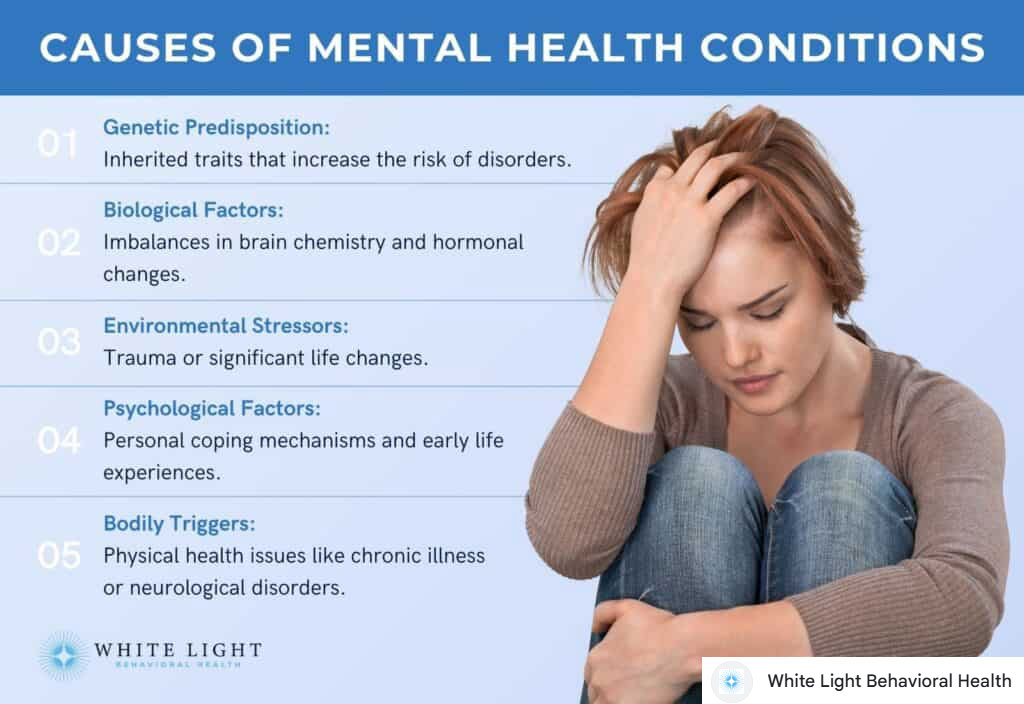
Exploring Mental Illness in Modern Life
Mental diseases have been spreading like wildfire. Immense pressure coupled with utter frustration and loneliness triggers such mental disorders. The unparallel stress of today’s world hardly allows any breathing space to the individuals. Today, the figure shows that nearly 1 in 8 people having a mental illness. It is also equally alarming that more than 700,000 people die as a result of suicide each year.
:max_bytes(150000):strip_icc()/definition-of-mental-illness-4587855-v1-cd7f9f37c61c49099ac8ede282db1e73.png "Myths of Mental Illness and Modern Life 1")
Image Courtesy: Verywell Mind
May it be a depression, anxiety disorders, bipolar disorder or schizophrenia, all comes under the bracket of mental illness. In reality people succumb to the enormous pressure of the environment. It’s not only the professional hazards; that’s just the tip of the iceberg. The actual challenge stems from the broader socio-economic impact. While the top 10% holds 57.7% of national income, the bottom 50% just limits them to a meagre 15%. Such an economic disparity makes it difficult for the lower group to meet their rudimentary needs.
Frustration – the root of mental illness
The glitzy advertisements flaunt in the social media or TV channels, it certainly alures people. In contrast, exists the reality of their financial obligations. The lurid panorama of the modern advertisements often leads to fantasies, giving birth to several mental diseases.
When there is no money in your purse but TV or Social Media ads show cool air from air conditioners, it becomes hard to control your emotions. On top of that, the constant buzzing of multiple ACs in the next door becomes a loud symbol of luxury. Feeling ashamed in such moments is natural.
From there, envy starts to grow, and frustration slowly takes root in the mind. When that frustration becomes extreme, mental illness begins.
Next comes career-related frustration. Today’s generation stands at a point where the dream of a good career constantly haunts them. They do not try to think whether they are actually qualified for that position. They feel a sense of superiority by looking down on others. This attitude becomes dangerous.
If they do not get a promotion or their desired salary hike for even a single year, they become disappointed. They do not engage in self-analysis or self-realization. Instead, they become reckless with anger and frustration. A kind of loneliness slowly consumes them. As a result, different mental illnesses begin to develop.
Family or society does not try to show sympathy either. The “want more” mindset has consumed them too. So no one stands beside the affected person. This intense frustration and loneliness together fuel the rising rate of mental illness today.
Loneliness – Pivotal cause of Mental Diseases
The split of conventional family structures to nuclear families have made the people further lonely. Such loneliness plays a pivotal role for mental diseases. Earlier, people at least gathered in clubs or tea stalls and enjoyed nice hangouts for a while. The lively chats between two friends or families over cup of coffee have almost disappeared. The tea stall banter has almost vanished as people have become highly busy today.
Now people have chosen Facebook for social interaction. But Facebook is completely public. If someone shares their pain of mental disorder there, it no longer stays within a small group. The whole world comes to know about it. So, people express their opinions cautiously. Nobody hardly wants to expose them over here.
Another race begins here too, the competition for likes. The number of likes becomes a milestone.
So people usually don’t want to talk about their sadness or problems. They would rather take a selfie near some random hill and get more likes. As a result, they carry their emotional pain alone.
This constant competition and desperate chase for identity crisis push them into various complex psychological problems.
Social reaction of Mental Illness
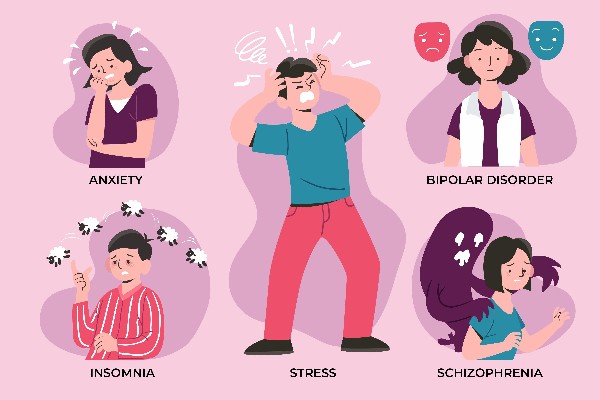
Image Courtesy: Behaviour Help
Next comes the social stigma. If someone has a physical illness, they openly discuss it and seek advices. But even today, society treats mental illness as an intruder.
Rather, society mocks mental illness or treats it as a source of gossip.
People usually feel uncomfortable speaking about it, even with colleagues or friends. As a result, treating mental illness becomes difficult. Most patients undergo mental disorder treatment secretly.
We may remember that people once hid tuberculosis as well. Society believed Tuberculosis was not only contagious but also a guaranteed cause of death. It was even called a “royal disease” in our country. But with time and revolutionary development in medical science, no one hides Tuberculosis anymore. However, society shows a harsh contrast in the case of mental illness. Instead of seeking treatment on time, we delay it. We react only after the situation reaches a dangerous stage. The result becomes catastrophic. In many cases, the condition goes beyond treatment.
Out of fear of social stigma, we remain silent spectators and push our loved ones toward certain death.
In conclusion, we believe that when such a large portion of the world’s population suffers from mental illness and the numbers keep rising, people will eventually stop mocking it. They will start extending empathy instead. Family members and relatives must also stop hiding the illness. They should encourage proper medical treatment from the beginning rather than allowing the condition to worsen.
Only then can we hope to free ourselves from this invisible and relentless demon, mental diseases.