
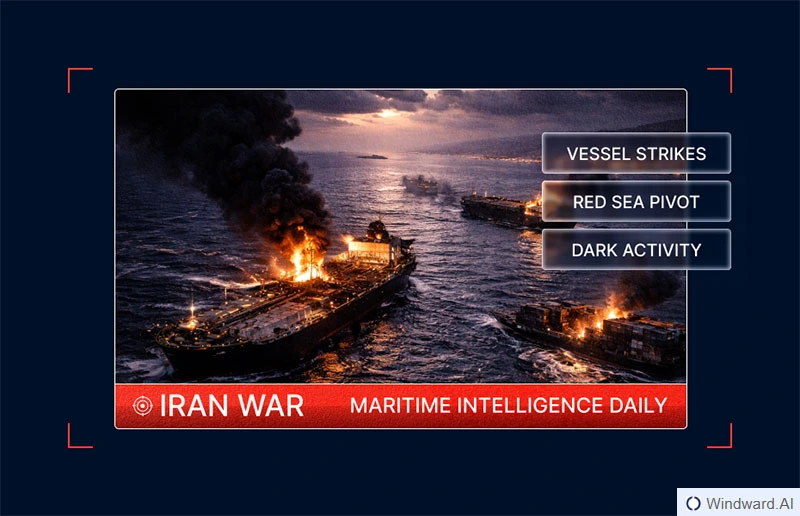
Iran War 2026: New Bengal Crisis
West Bengal already has many pressing problems. Moreover, the Special Intensive Revision (SIR) of voter rolls and the upcoming Assembly Election 2026 have already created anxiety across the state. In Addition, suddenly, a new global crisis has entered the scene, Iran War 2026. Thus, as the conflict intensifies in the Middle East, its ripple effects are reaching far beyond the battlefield.
Consequently, one of the biggest shocks is the global fuel crisis. India, like many other countries, also depends heavily on oil transported through the Strait of Hormuz.
Once the war disrupted this crucial route, the consequences began to hit ordinary people.
In Bengal, where political awareness runs deep, every crisis quickly triggers a political slugfest. Whether it is a celebration or a disaster, Bengalis often respond with intense debate and political reactions.
However, the real question now is simple: How will this war affect the lives of people in West Bengal?
Why Is the Iran War 2026 Affecting the Entire World?
Although the war is geographically distant, its consequences are global.
The key reason: the Strait of Hormuz
Around 25% of the world’s oil supply passes through the Strait of Hormuz. When transportation through this route slows or stops, energy markets across the world feel the shock.
Immediate global effects include:
- Rising crude oil prices
- Shortage of petroleum products
- Disruption of global shipping
- Pressure on developing economies like India
Therefore, even countries that are not part of the war are facing serious collateral damage.
India is one of them.
Why Did Israel Attack Iran?
The conflict escalated after Israel launched strikes inside Iran.
The major targets included:
- Iranian air bases
- Strategic military installations
- Most importantly, nuclear facilities
Israel has long argued that Iran’s nuclear programme poses a serious security threat.
Meanwhile, the United States supported Israel’s move. Washington wanted to exert maximum pressure on Iran, not only militarily but also economically.
The way, President Donald Triumph announced the death of Ayatollah Ali Khamenei, it shows their key target.
In retaliation, Iran also has been constantly throwing missiles and drones.
Moreover, the broader objective appeared to be:
- Weakening Iran’s military capability
- Intensifying economic sanctions
- Hence, Encouraging a regime change in Tehran
However, wars rarely unfold according to initial expectations.
Did the United States Expect a Quick Collapse of Iran?
Some earlier statements from Washington suggested that the war would end quickly.
Reports and speeches from American leaders projected confidence that Iran would surrender within hours or days.
However, reality has proved far more complex.
What actually happened?
- The war has continued for nearly two weeks.
- Heavy casualties have been reported in Tehran.
- Several thousand civilians are believed to be injured.
- Nevertheless, Iran has not surrendered.
Instead, Iranian leadership has declared that the war will end only on its own terms. It also proves that have been well-prepared.
What Happened to Iran’s Leadership?
The war has also triggered political changes inside Iran.
Following the death of Ayatollah Ali Khamenei, leadership responsibility has shifted to Mojtaba Khamenei.
On the other hand, such a development has complicated Washington’s hopes for a rapid regime change. Rather this also reveals that Iranians can really remain united when the country is facing a foreign attack.
Instead of mass protests on the streets of Iran, many citizens appear to have closed ranks in national solidarity.
For the United States and its allies, this means the conflict could become longer and more unpredictable.
Is Iran Using a Strategy to Prolong the War?
As a result, many geopolitical analysts believe Iran may be deliberately prolonging the conflict.
The logic is simple.
The longer the war continues:
- Oil prices keep rising
- Global economic pressure increases
- Public opinion shifts against the war
- Political pressure grows inside Western countries
Iran has already signaled one powerful move: blocking the Strait of Hormuz.
If that happens fully, the consequences could include:
- Severe energy shortages worldwide
- Inflation spikes across major economies
- Political backlash in Western democracies
Historically, the United States has withdrawn troops quickly when domestic pressure becomes overwhelming. Examples include conflicts in Iraq War and War in Afghanistan.
Whether the same pattern repeats in Iran remains uncertain.
Why Is West Bengal Facing Panic?
Now let us return to our home state, West Bengal.
The war has already begun affecting daily life.
The biggest issue is fuel shortage
Reports from several cities indicate a severe crunch in:
- Petrol
- Diesel
- LPG cylinders
The shortage is affecting both households and essential services.
Key sectors under pressure
- Domestic Gas Supply
- Hospitals facing difficulty in gas supply
- Public transport slowing down
- Food chains struggling with fuel costs
- School midday meal programmes disrupted
- Sweet shops and restaurants reducing production
Even auto-rickshaws in many areas have reduced operations because of the rising fuel price.
Has the Government Taken Emergency Measures?
Consequently, the Government of India has reportedly invoked Essential Services Maintenance Act (ESMA) to prevent disruptions in critical sectors.
The law allows authorities to ensure the continuation of essential services like:
- Transport
- Fuel distribution
- Healthcare supply chains
However, controlling a crisis triggered by a global war is never easy.
Why Has Political Conflict Intensified in Bengal?
As expected, the crisis in turn has quickly turned into a political debate.
Additionally, the Chief Minister Mamata Banerjee has sharply criticized the central government, accusing it of poor planning and inadequate crisis preparation.
On the other hand, the central government argues that no country can fully plan for a sudden international war.
This disagreement has intensified political tensions in the state immediately.
Yet ordinary people are more worried about daily survival than political arguments.
Can Politics Wait During Such a Crisis?
West Bengal is heading toward a highly sensitive Assembly Election in 2026.
Naturally, political parties are in full campaign mode. However, the fuel crisis caused by the Iran war has created a moment that demands cooperation rather than confrontation.
Both the central government and the state government must work together to:
- Stabilize fuel supply
- Protect essential services
- Control inflation
- Ensure transport continues
Politics can continue later. But people’s lives cannot wait.
What Do People in Bengal Expect Now?
The expectations from political leadership are straightforward.
People want:
- Stability
- Fuel availability
- Functional hospitals
- Normal public transport
- Affordable food supply
Above all, they want peace in the world.
War may be fought thousands of kilometres away, but its impact can still reach the streets of Kolkata, the towns of North Bengal, and the villages along the Hooghly.
Bengal Needs Unity, Not Political Slugfests
The Iran War 2026 is a reminder of how interconnected the modern world has become today.
A conflict in the Middle East can trigger panic in Indian states like West Bengal within days. The fate of Bengal Election 2026 is still unknown.
Therefore, political leaders must rise above partisan rivalry. The crisis demands cooperation, responsibility, and calm leadership.
Yes, elections will come and go. Political battles will continue.
But in moments like this, the real priority should be the people of Bengal.
Let us hope the war ends soon, and that wisdom prevails before the global crisis deepens further.
Key Takeaways
- Global war, local impact: The Iran War 2026 is unfolding far from India, though its effects are already reaching West Bengal through rising fuel prices and supply disruptions.
- Strait of Hormuz is the key factor: Nearly 25% of the world’s oil supply moves through this narrow passage. Any blockade or military conflict there can quickly trigger a global energy crisis.
- Fuel shortage fears in Bengal: Petrol, diesel, and LPG supplies are under pressure. This is affecting transport, hospitals, food chains, and small businesses across the state.
- Essential services under stress: Public transport, school midday meals, restaurants, and sweet shops are facing operational difficulties due to rising fuel costs and limited supply.
- Political tensions rising: Mamata Banerjee has criticized the Government of India over crisis preparedness, turning the issue into a political debate ahead of the 2026 election.
- War objectives remain unclear: The conflict began after Israeli strikes on Iranian military and nuclear facilities. However, Iran has not surrendered and has signaled that the war will end only on its own terms.
- Regime change unlikely soon: After the death of Ayatollah Ali Khamenei, leadership has shifted to Mojtaba Khamenei, reducing hopes of a quick political shift in Iran.
- Prolonged war could worsen global pressure: If the conflict drags on, oil prices may rise further and economic pressure could increase across many countries.
- Bengal needs cooperation, not conflict: With the 2026 West Bengal Assembly Election approaching, people expect both state and central governments to work together instead of blaming each other.
- Hope for peace: Ultimately, people in Bengal and across India want the same outcome — a quick end to the war and stability in global energy supply.
People Also Ask (PAA)
1. Why is the Iran War 2026 affecting India?
The Iran War 2026 is affecting India mainly because global oil supply routes are disrupted. A large portion of the world’s crude oil passes through the Strait of Hormuz. When transportation slows or stops, fuel prices rise and shortages appear in countries like India.
2. How does the Strait of Hormuz impact the global fuel supply?
The Strait of Hormuz is one of the world’s most important oil shipping routes. Nearly 25% of global petroleum supply passes through this narrow sea passage. Any conflict or blockade there can trigger worldwide fuel shortages and rising energy prices.
3. Why is West Bengal facing fuel shortages during the Iran war?
West Bengal is experiencing fuel shortages because global oil supply disruptions are affecting India’s energy imports. As crude oil shipments slow down, petrol, diesel, and LPG supplies become limited, creating panic and rising prices.
4. What sectors are most affected by the fuel crisis in Bengal?
Several sectors are facing serious disruption, including:
- Public transport like buses and autos
- Hospitals requiring emergency fuel supply
- School midday meal programs
- Restaurants and sweet shops
- Food delivery and supply chains
5. Why did Israel attack Iran in 2026?
Israel reportedly targeted Iranian air bases and nuclear facilities to weaken Iran’s military capability and prevent nuclear advancement. The strikes were intended to increase pressure on Iran and curb its strategic power in the region.
6. Has Iran surrendered in the 2026 war?
No, Iran has not surrendered despite heavy attacks and casualties. Iranian leadership has stated that the war will end only on its own terms, suggesting the conflict may continue longer than initially expected.
7. How long has the Iran War 2026 lasted so far?
The conflict has already continued for nearly two weeks with intense air strikes and military responses. However, the full scale of damage and casualties may take time to become clear.
8. Why could the Iran War continue for a long time?
Iran may prolong the war to increase global pressure on the United States and its allies. A longer conflict can drive oil prices higher and create economic stress worldwide, forcing international calls to end the war.
9. How is the Iran War affecting daily life in India?
The war is indirectly affecting daily life in India through:
- Rising petrol and diesel prices
- LPG shortages
- Transport disruptions
- Higher food prices
- Pressure on essential services
10. Can the Iran War affect the 2026 West Bengal Assembly Election?
Yes, the crisis could influence the political atmosphere before the Bengal election 2026. Fuel shortages, inflation, and supply disruptions may become major political issues between the state and central governments.